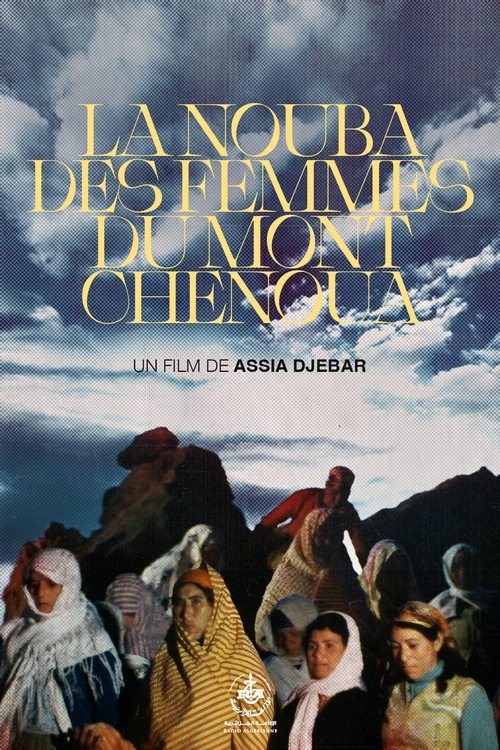
The Nouba of the Women of Mount Chenoua
1978
No user ratings available yet
Representation score: 6.3 out of 10
Representation Score
Good
1983
Director
Assia Djebar
Runtime
57 minutes
Average Rating
No ratings yetNew Showbiz Analysis
Assia Djebar’s poetic essay is a masterclass in narrative reclamation. By repurposing colonial propaganda, the film dismantles oppressive power dynamics. It replaces an exoticized, Orientalist view with a sophisticated study of indigenous resistance. While the film lacks specific focus on queer intimacy or disability, its multi-layered approach to gender and racial identity provides a powerful critique of Western hegemony.
Category Breakdown
The film challenges the colonial gaze by reclaiming the sanctity of Zerda ceremonies. However, depictions of queer intimacy are not the main focus.
Djebar centers women as active participants in resistance by deconstructing newsreels. The film shifts the perspective from a male-dominated colonial lens to a reclaimed feminine memory.
This work critiques Western hegemony and systemic erasure by replacing white-centric records with a narrative of indigenous struggle and North African ability to act.
The film emphasizes the mysticism and power of local traditions over reductive colonial interpretations. It frames the colonial gaze as predatory voyeurism, critiquing the corruption of Western imperialist structures.
There is no significant evidence regarding the portrayal of physical or neurodivergent disabilities within the film.
Present on Screen
Limited or Absent
Official Synopsis
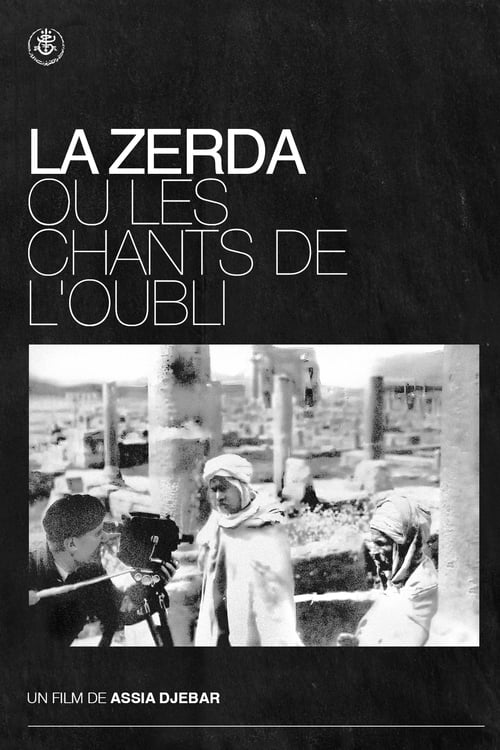
“La Zerda and the songs of oblivion” (1982) is one of only two films made by the Algerian novelist Assia Djebar, with “La Nouba des femmes du mont Chenoua” (1977). Powerful poetic essay based on archives, in which Assia Djebar – in collaboration with the poet Malek Alloula and the composer Ahmed Essyad – deconstructs the French colonial propaganda of the Pathé-Gaumont newsreels from 1912 to 1942, to reveal the signs of revolt among the subjugated North African population. Through the reassembly of these propaganda images, Djebar recovers the history of the Zerda ceremonies, suggesting that the power and mysticism of this tradition were obliterated and erased by the predatory voyeurism of the colonial gaze. This very gaze is thus subverted and a hidden tradition of resistance and struggle is revealed, against any exoticizing and orientalist temptation.
1978

1975
2013
2013
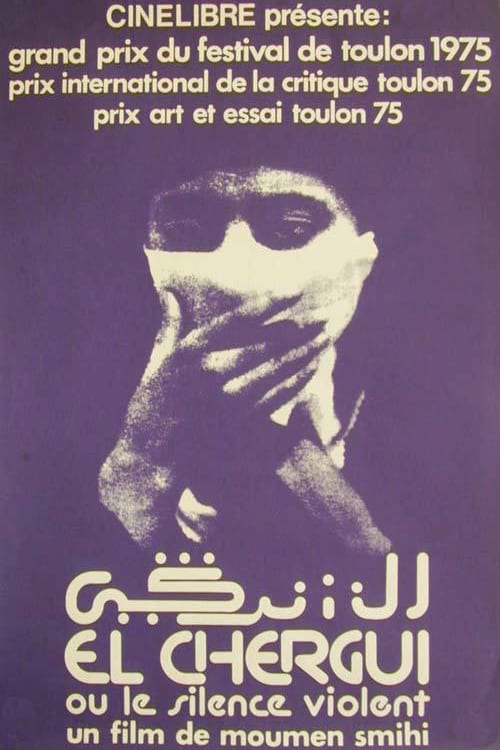
1975
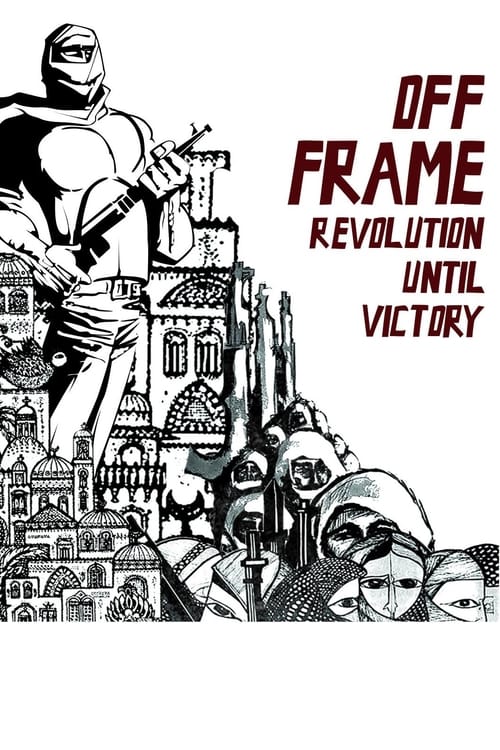
2016
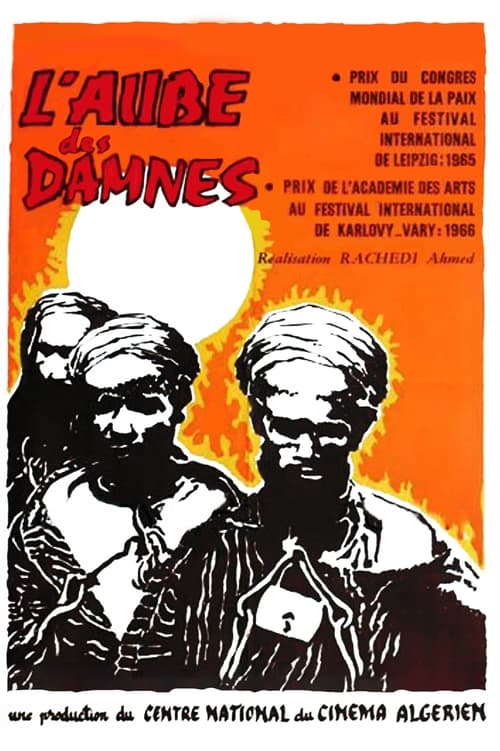
1965
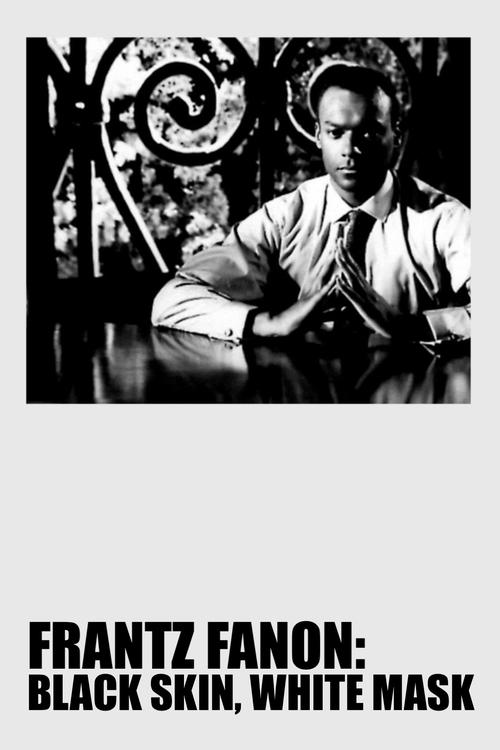
1996
No reviews yet. Be the first to share your thoughts on this movie!
Use the rating form above to leave a star rating and optional review.