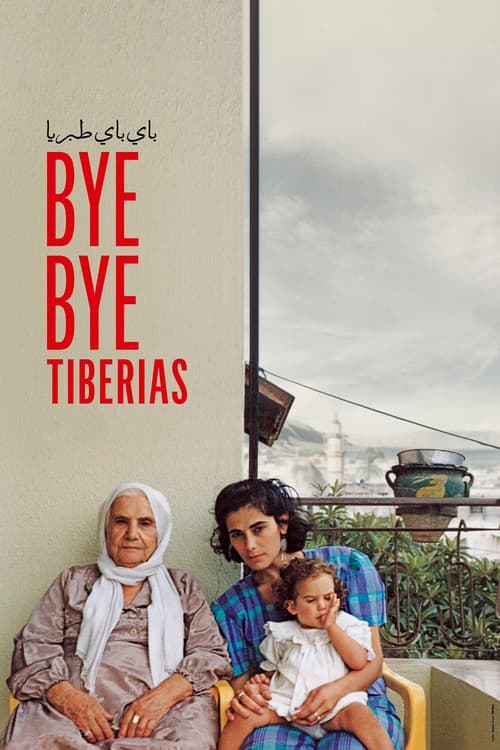
Bye Bye Tiberias
2024
No user ratings available yet
Representation score: 7.0 out of 10

Representation Score
Good
1981
Director
Michel Khleifi
Runtime
99 minutes
Average Rating
No ratings yetNew Showbiz Analysis
Michel Khleifi’s documentary provides a vital, non-Western perspective by centering Palestinian women's ability to drive the story. By focusing on the individual lives of a widow and a novelist, the film uses domesticity to critique broader geopolitical forces and displacement. The work excels in its cultural and ethnic specificity, challenging dominant colonial narratives through the lens of personal memory. It successfully shifts the focus from military clichés to intellectual and personal survival. While the film offers a progressive framework for decolonial storytelling, it lacks explicit representation of LGBTQ+ identities or disabilities, leaving those specific dimensions of diversity unaddressed.
Category Breakdown
The film focuses on the domestic and political struggles of two women. There is no explicit evidence of non-straight or non-cisgender identities or same-sex intimacy within the narrative.
The story disrupts traditional cinematic hierarchies by centering a widow and a novelist. Their significant roles in driving the narrative elevate female subjectivity over traditional male-led political stories.
This Palestinian-centric work offers a significant departure from Anglo-centric global cinema. It uses specific ethnic identities to challenge monolithic Middle Eastern portrayals through personal memory.
The film engages deeply with anti-colonial themes and systemic displacement. It prioritizes localized, subjective truths over official state-sanctioned histories to explore identity.
The provided information contains no specific details regarding the portrayal of physical or neurodivergent disabilities.
Present on Screen
Limited or Absent
Official Synopsis
A portrait of two Palestinian women whose individual struggles both define and transcend the politics that have torn apart their homes and their lives. Farah Hatoum, a widow living with her children and grandchildren, and Sahar Khalifeh, a novelist from the West Bank.
2024
2023
2004

2011

2004
2024
1987
2019
No reviews yet. Be the first to share your thoughts on this movie!
Use the rating form above to leave a star rating and optional review.