
A Piano for Mrs. Cimino
1982
No user ratings available yet
Representation score: 4.5 out of 10
Representation Score
Good
1996
PG-13Director
Michael Toshiyuki Uno
Runtime
93 minutes
Average Rating
No ratings yetNew Showbiz Analysis
The film stands out in its portrayal of disability and gender, moving away from patriarchal structures to highlight a matriarchal support system. By focusing on neurodivergence and physical disability, it treats these experiences as integral to the protagonist's journey. However, the narrative lacks breadth in LGBTQ+ and racial representation. The focus remains on a specific Texan locale and a female-centric domestic unit, limiting the scope of diverse identities presented. Overall, the film offers a nuanced look at communal care and female resilience, even if it stays within a relatively narrow demographic framework.
Category Breakdown
The film does not explicitly depict LGBTQ+ identities or relationships that go beyond the assumption that everyone is straight. Instead, it highlights care-based friendships among women in a female-only household setting.
The story challenges traditional gender hierarchies by focusing on female empowerment and mutual support. Jordan Roosevelt navigates her crisis using her intellect and resilience, rather than relying on male assistance.
The narrative seems to focus on a potentially homogeneous demographic typical of mid-90s regional dramas. There is no indication of a multi-ethnic cast in the provided context.
The film critiques the failure of traditional economic and family safety nets. It emphasizes communal, non-institutionalized support systems through a foster care program for the elderly.
Disability is a central, non-caricatured part of the plot. The film integrates neurodivergence through Alzheimer's patients and physical disability via a wheelchair-bound character.
Present on Screen
Limited or Absent
Official Synopsis
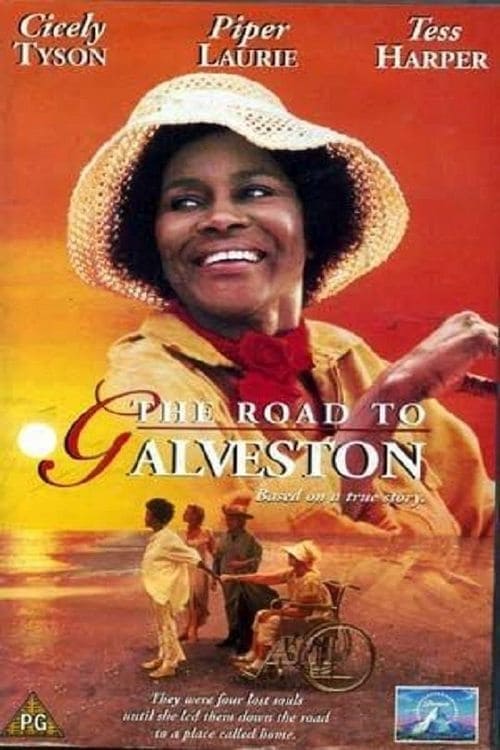
Jordan Roosevelt, at 65, found herself alone, destitute, and depressed. Up against the wall, she took heart from the suggestion of a friend, a blind woman who was a nurse: enter a foster care program in which one takes care of patients in their own home. The patients she cares for are Alzheimers sufferers, and she shares her home with three other women in advanced stages of the disease, one (Gayle) wheelchair bound. And with these women, Jordan realizes a lifelong dream - to feel the ocean breeze. An accidental find of a coffee can stash of cash, buried by her late husband, makes the trip possible. Based on the true story of Peggy Lee of Camilla, Texas (the Alzheimers, the patients, and the foster care program are actual, the trip to the Galveston beaches is fictional).
1982

2001
2018
2018

1985

2014
2019
2001
No reviews yet. Be the first to share your thoughts on this movie!
Use the rating form above to leave a star rating and optional review.