
The First Forgotten
2019
No user ratings available yet
Representation score: 6.5 out of 10
Representation Score
Fair
1999
TV-PGDirector
Robert Allan Ackerman
Runtime
95 minutes
Average Rating
No ratings yetNew Showbiz Analysis
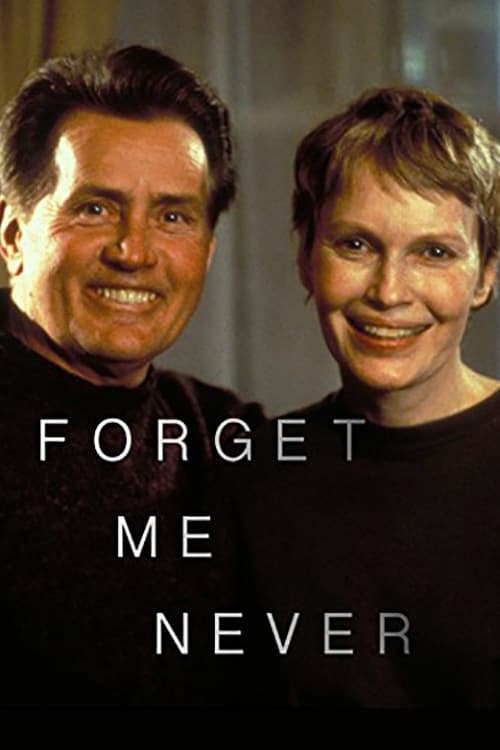
Forget Me Never is a traditional domestic drama that prioritizes individual psychological struggle over broader social critique. While it offers some control to its female lead through her professional competence and economic independence, the film remains rooted in the conventional storytelling structures of its era. The narrative lacks multi-layered complexity, focusing instead on a singular medical crisis within a standard nuclear family. This narrow focus limits the film's ability to engage with broader social or cultural diversity.
Category Breakdown
The film centers on a marriage between Diane and Jack, which follows traditional heterosexual norms. There is no visible representation of non-straight relationships or critiques of traditional structures.
Diane provides a moderate subversion of gender clichés by having higher financial control than her husband. However, the plot's focus on marital secrecy suggests lingering traditional domestic tensions.
The narrative appears to follow conventional, homogeneous casting patterns typical of late-90s television. There is no mention of multicultural themes or diverse cast elements.
The story focuses on secular, psychological realism rather than religious morality. It explores the breakdown of communication within a nuclear family unit through a medical lens.
The film centers on a character navigating neurocognitive decline. Diane's attempt to manage her Alzheimer's privately provides her with control rather than portraying her as a passive victim.
Present on Screen
Limited or Absent
Official Synopsis
Diane McGowin was employed as an administrative assistant for a group of attorneys in private practice. She found herself forgetting things, especially losing short term memory. She suspected that something was wrong and went to the doctor. After many tests, the diagnosis was Alzheimer's. Diana did not want to tell her husband, Jack McGowin because she thought her husband, Jack, would be worried about money since she made more money than he did.
2019

2001
2018

2014
1996

2004
2007

2007
No reviews yet. Be the first to share your thoughts on this movie!
Use the rating form above to leave a star rating and optional review.