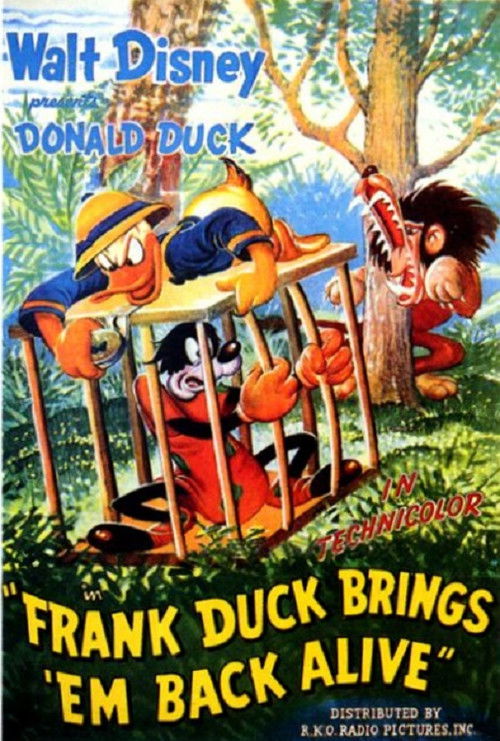
Frank Duck Brings 'em Back Alive
1946
No user ratings available yet
Diversity score: 1.6 out of 10
No Poster Available
1940
PassedDirector
Burt Gillett, Alex Lovy
Runtime
7 minutes
Average Rating
No ratings yetSynopsis
Andy Panda, a pipe smoking turtle and a friendly electric eel are spending a fun afternoon together fishing. Their fun time is soon spoiled however by the intrusion of a tribe of panda hunters.
Overall Score
Minimal
Category Breakdown
LGBTQ+ Representation
The film focuses on anthropomorphic animals engaged in fishing and survival. There is no presence of non-cisnormative identities or same-sex intimacy.
Gender Representation
Andy Panda follows a solitary, traditional masculine archetype of an adventurer. The film lacks female characters and fails to subvert gender hierarchies.
Racial & Ethnic Diversity
The animation avoids human racial identifiers but utilizes a 'tribe' of hunters as an antagonistic force. This reflects primitive tropes common to the era.
Religious & Cultural Diversity
The narrative follows a binary morality of leisure versus intrusion. It lacks engagement with systemic critiques or complex cultural deconstruction.
Disability Representation
Characters are portrayed through standard cartoon physics. There is no representation of physical, sensory, or neurodivergent identities.
Strengths
Areas for Improvement
AI Analysis
Andy Panda Goes Fishing is a product of its historical era, prioritizing slapstick escapism over social complexity. The narrative relies on a singular protagonist facing external threats, which limits the potential for diverse character dynamics. The film operates within a very narrow framework. It lacks female agency, intersectional depth, and any meaningful representation of marginalized identities, instead leaning on simplified, non-human character tropes. Ultimately, the work serves as a baseline example of mid-century animation. It functions through traditional storytelling structures that avoid any intentional disruption of social hierarchies or demographic variety.
1946
1951
1956
1937
1945
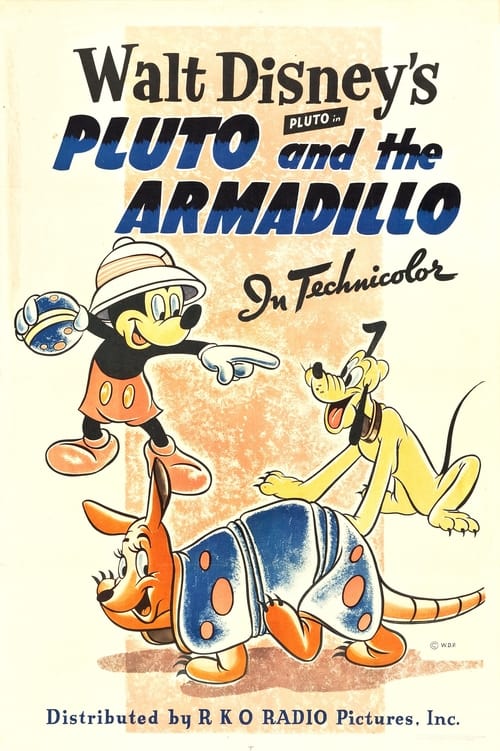
1943
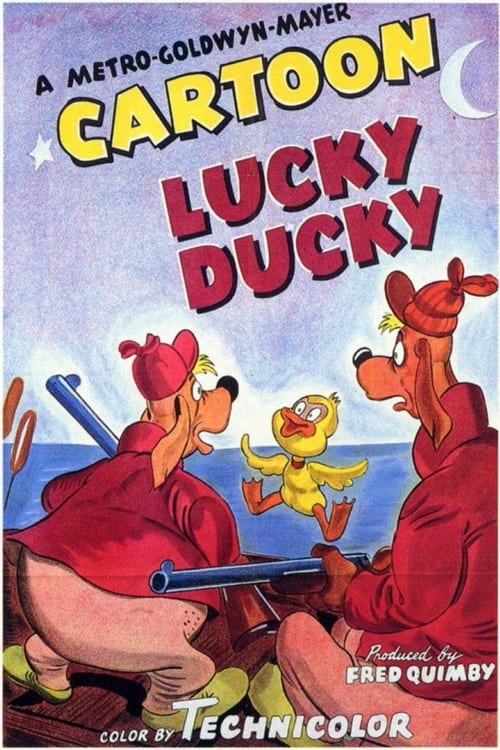
1948
1957
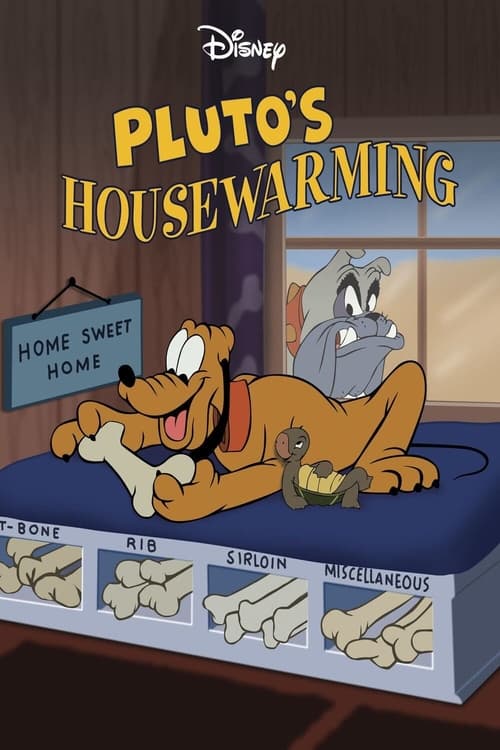
1947
1945
1965
1945
No reviews yet. Be the first to share your thoughts on this movie!
Use the rating form above to leave a star rating and optional review.