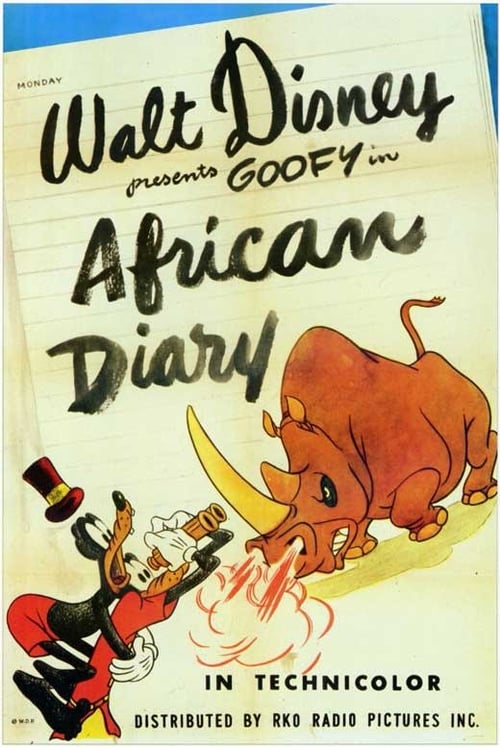
African Diary
1945
No user ratings available yet
Representation score: 0.3 out of 10
Representation Score
Minimal
1946
NRDirector
Jack Hannah
Runtime
7 minutes
Average Rating
No ratings yetNew Showbiz Analysis
This 1946 short is a product of its era, prioritizing traditional slapstick comedy over social commentary. The narrative relies on physical absurdity and role reversal between Goofy and Donald Duck to drive the plot. The film utilizes archetypes common to mid-century animation, such as the 'hunter' in a jungle setting. These clichés reflect the conventional storytelling patterns of the time rather than any attempt to challenge social hierarchies. Ultimately, the work functions as pure escapism. It lacks diverse representation across gender, race, and identity, focusing instead on the mechanics of a classic chase sequence.
Category Breakdown
The film does not include any visible LGBTQ+ characters or explore non-cisgender identities. The story focuses on the comedic interaction between the two main characters.
The story centers on male characters, Donald and Goofy. While it lacks active misogyny, there is no female presence or ability to act, reinforcing a male-centric comedic landscape.
The jungle setting carries colonialist connotations through the 'great white hunter' cliché. The film relies on conventional mid-century archetypes regarding exploration.
The film adheres to mid-century Western comedic traditions without critiquing institutions. It operates within a standard escapist framework driven by situational morality and the mechanics of the chase.
There are no characters depicted with visible or invisible disabilities. The narrative lacks any engagement with neurodivergence or physical impairment.
Present on Screen
Limited or Absent
Official Synopsis
Wild man of the jungle Goofy is swinging through the treetops when he notices great white hunter Donald Duck pulling into port on his safari boat. He is looking for a wild man of the jungle and Goofy offers himself to Donald...if Donald can catch him which leads the duo on a wild chase through the jungle. Eventually they are pursued in their chase by a lion having switched clothes so that Donald is the wild man and Goofy is the hunter. Goofy escapes in Donald's boat leaving Donald swinging through the trees to escape the lion.
1945
1954
1950
1950
1925
1935
1941
1944
No reviews yet. Be the first to share your thoughts on this movie!
Use the rating form above to leave a star rating and optional review.