
Deliver Us from Evil
2020
No user ratings available yet
Representation score: 1.8 out of 10
Representation Score
Good
2013
RDirector
Sang-il Lee
Runtime
135 minutes
Average Rating
No ratings yetNew Showbiz Analysis
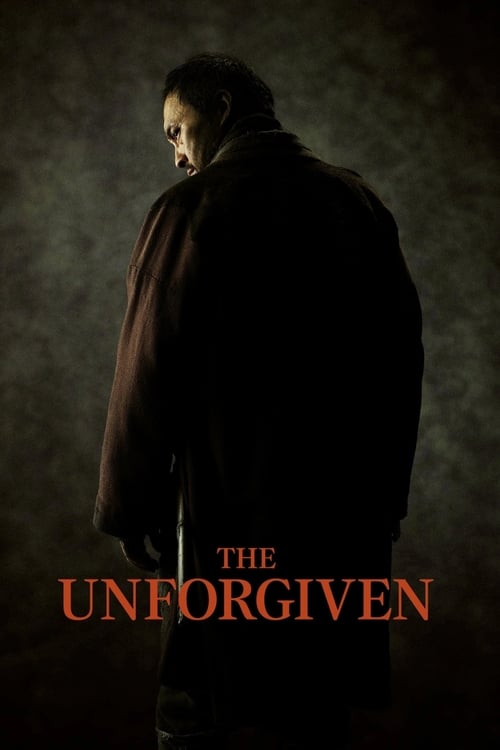
Unforgiven (2013) is a sophisticated deconstruction of the hero archetype, set against the shifting social orders of the Meiji period. It excels at using historical transitions to critique institutional authority and the concept of ordered justice. However, the film lacks explicit representation of diverse identities. It provides little visibility for LGBTQ+ identities or neurodivergent experiences, staying within the traditional boundaries of the period drama genre. While the narrative highlights the vulnerability of women and the consequences of violence, these elements often serve the plot's momentum rather than providing deep explorations of underrepresented identities.
Category Breakdown
The film centers on masculine hierarchies and the harsh realities of frontier life. There is no direct portrayal of LGBTQ+ identities or relationships that assume everyone is straight or cisgender.
Women play key roles in initiating the plot after being exploited in a brothel. They demonstrate ability to act through collective financial action but do not significantly challenge patriarchal hierarchies in lead roles.
Set in Meiji-era Hokkaido, the film reclaims Western clichés through a Japanese perspective. The cast is predominantly Japanese, yet the narrative serves as a cross-cultural dialogue.
The story examines the systemic instability during the transition from the Shogunate to the Meiji era. It critiques established power structures and institutional corruption.
Physical mutilation and disfigurement serve as significant plot drivers. These injuries mark violence and motivate characters but do not explore lived experiences with disabilities.
Present on Screen
Limited or Absent
Official Synopsis
An old swordsman, his former comrade and a young braggart are hired by prostitutes to track down bandits who mutilated one of the women.
2020

2014
2014
2017
2020

2006
2017
2017
No reviews yet. Be the first to share your thoughts on this movie!
Use the rating form above to leave a star rating and optional review.