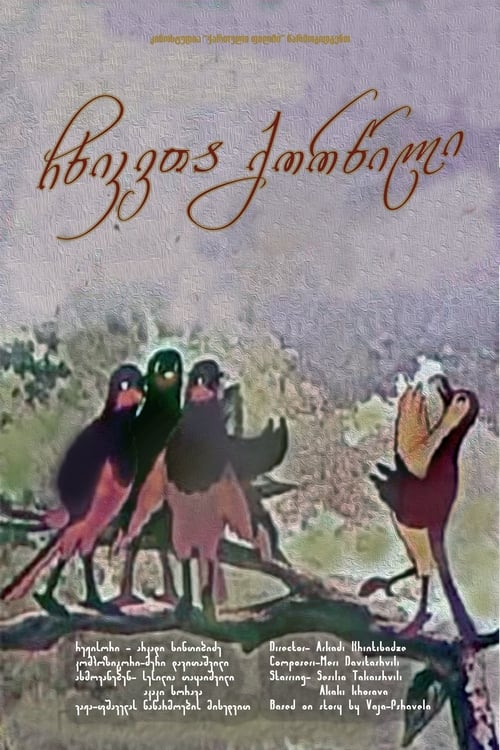
A Wedding of Jays
1958
No user ratings available yet
Representation score: 1.9 out of 10
Representation Score
Minimal
1939
PassedDirector
Chuck Jones
Runtime
8 minutes
Average Rating
No ratings yetNew Showbiz Analysis
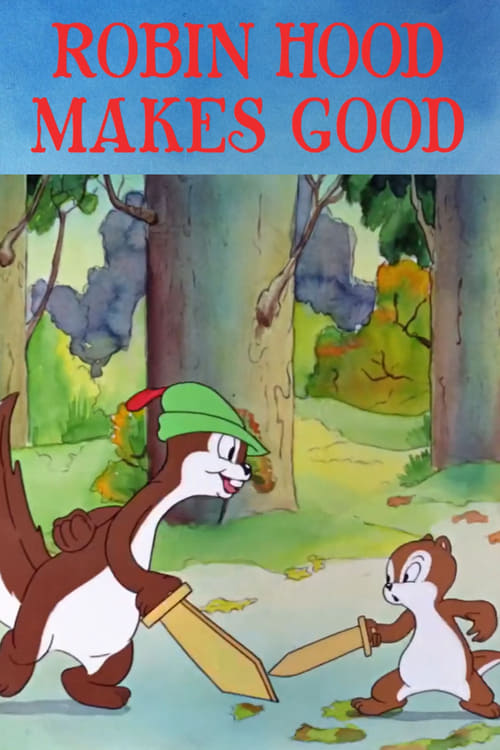
Robin Hood Makes Good is a product of its 1939 temporal context, prioritizing physical comedy and folklore over social commentary. While the narrative touches on wealth redistribution, it does so through a comedic lens rather than a progressive critique of power. The film adheres to the standard character archetypes of the Merrie Melodies era. It lacks the intentionality needed to introduce perspectives that reflect multiple aspects of identity or disrupt traditional social hierarchies, staying within the bounds of traditional comedic formulas.
Category Breakdown
The film does not include any depictions of LGBTQ+ identities or same-sex relationships. The story follows a traditional, heterosexual comedic structure without any queer undertones.
Male characters like Robin Hood and the Sheriff play central roles, operating within traditional gender stereotypes of the time. The film relies on established 1930s archetypes without challenging these gender norms.
The cast is predominantly white, using anthropomorphic animals in a stylized medieval setting. There is no intentional exploration of diverse ethnic backgrounds or multi-layered casting.
The plot draws on the Robin Hood legend and themes of wealth redistribution. However, it presents these ideas through folklore and slapstick humor rather than a critical examination of societal structures.
There are no visible or invisible disabilities featured in the character arcs. The characters function within the typical physical demands of slapstick animation.
Present on Screen
Limited or Absent
Official Synopsis
A fox captures two young squirrels while they're playing "Robin Hood". Their small younger friend uses his ingenuity to try to rescue them.
1958
1993

1928
1977
1950
1942
1949
1948
No reviews yet. Be the first to share your thoughts on this movie!
Use the rating form above to leave a star rating and optional review.