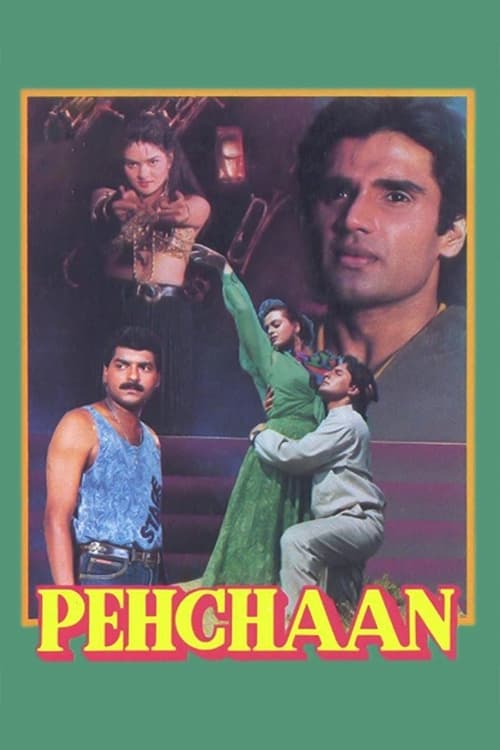
Pehchaan
1993
No user ratings available yet
Representation score: 1.8 out of 10
Representation Score
Fair
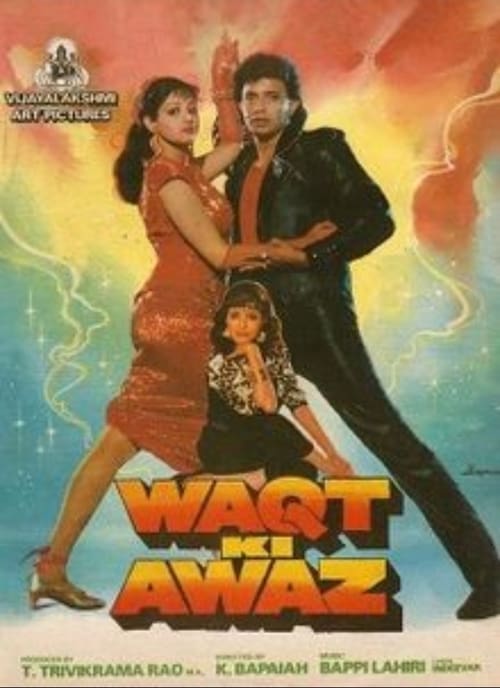
1988
Director
K. Bapayya
Runtime
155 minutes
Average Rating
No ratings yetNew Showbiz Analysis
Waqt Ki Awaz is a traditional melodrama that emphasizes classic conflicts rather than deep social critique. While the protagonist takes control by rejecting an arranged marriage, the narrative structure remains largely conventional for its time. The film offers a moderate challenge to patriarchal norms through its female lead, yet it lacks multi-layered complexity. The focus on legal consequences and social order suggests a story that upholds established hierarchies.
Category Breakdown
The film follows a typical storyline where everyone is assumed to be straight or cisgender. There are no LGBTQ+ characters or identities in the narrative.
Lata challenges traditional gender roles by choosing her own partner instead of an arranged marriage. However, her subsequent regret might reinforce cautionary stories about female independence.
The cast and setting are ethnically uniform, reflecting a localized Indian cultural context. The film lacks diverse casting and interracial dynamics.
The plot examines the tension between capitalist structures and rugged individualism. While it critiques strict family authority, it ultimately supports social and legal order.
There are no characters with visible or invisible disabilities mentioned in the story.
Present on Screen
Limited or Absent
Official Synopsis
Wealthy Lata I. Prasad refuses to obey her widower father's instructions to get married to equally wealthy Rajan, the second son of Sikanker Lal Thakkar, her dad's business partner. She runs away from home, and shortly thereafter her father locates her living with a truck-driver, Vishwa Pratap, and his pretty sister, Lakshmi. She refuses to return home, and insists on marrying Vishwa. She will soon regret her decision when she finds out that Vishwa has been arrested for killing a male named Billa, and may either spend his life behind bars or be hanged.
1993
1990
1990
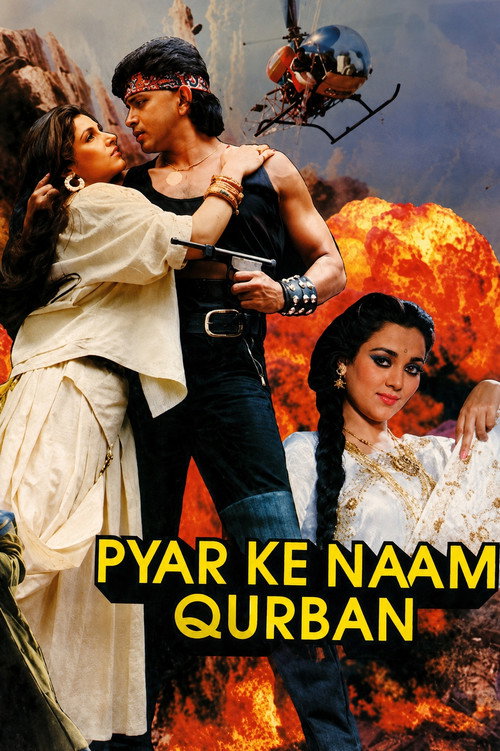
1990
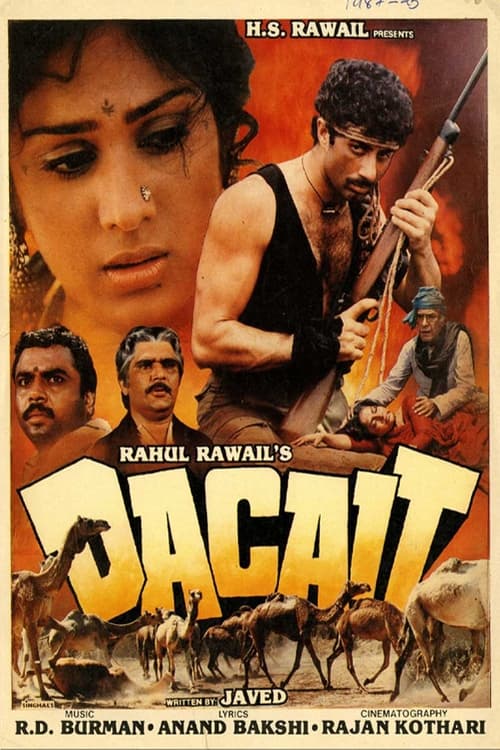
1987
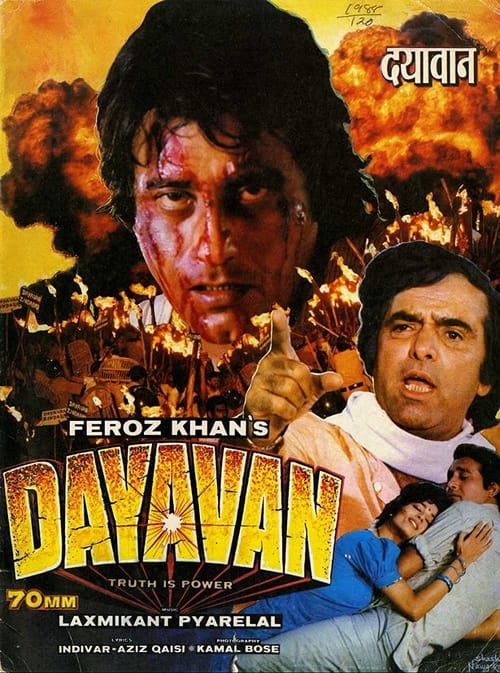
1988
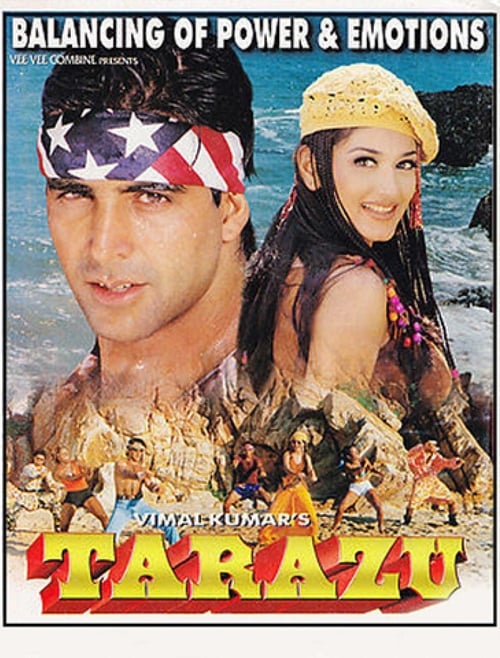
1997
1980
No reviews yet. Be the first to share your thoughts on this movie!
Use the rating form above to leave a star rating and optional review.