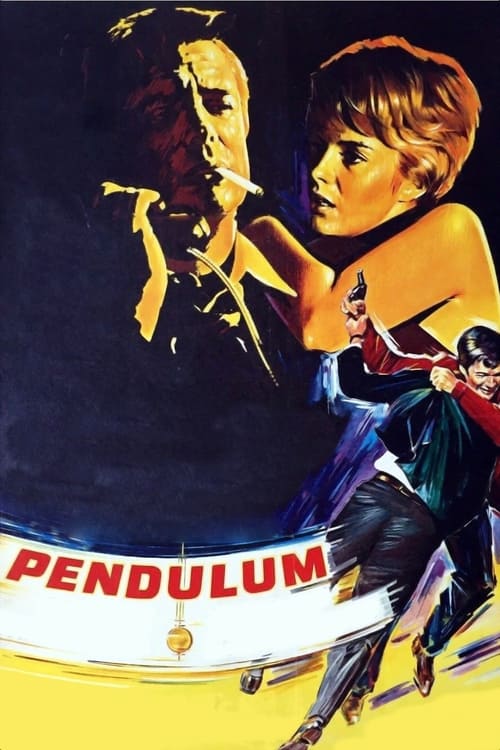
Pendulum
1969
No user ratings available yet
Representation score: 2.2 out of 10
Representation Score
Minimal
1970
PGDirector
Richard A. Colla
Runtime
105 minutes
Average Rating
No ratings yetNew Showbiz Analysis
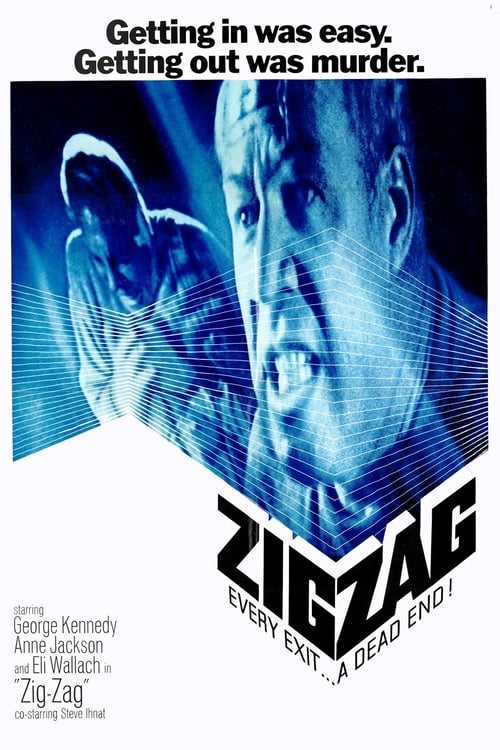
Zig Zag is a conventional crime thriller that adheres to the social and narrative norms of the 1970s. It functions as a localized drama centered on individual motivations rather than broader social commentary. The film lacks intentionality regarding diverse representation. It relies on traditional gender roles and a homogeneous cast, offering no disruption of established social hierarchies. Ultimately, the story reinforces mid-century genre conventions, focusing on the mechanics of a crime and personal ethics rather than broader cultural or identity-based themes.
Category Breakdown
The film does not include any LGBTQ+ characters or themes. It focuses solely on the protagonist and his widow, reinforcing an assumption that everyone is straight or cisgender.
The narrative emphasizes the male perspective and decision-making. The widow is portrayed as a passive recipient of the protagonist's actions, rather than an active participant.
The cast appears uniform, reflecting the era's typical casting practices. There is a lack of non-white or non-Anglo-Saxon perspectives, which could have challenged the status quo.
The film explores individual moral ambiguity rather than systemic critiques. It focuses on personal transgressions instead of deconstructing religious or capitalist institutions.
There is no indication of the portrayal of physical or neurodivergent disabilities in this work.
Present on Screen
Limited or Absent
Official Synopsis
A dying man frames himself for murder so his widow can collect the reward.
1969

1958

1971

1979

1971
1950
1946
1975
No reviews yet. Be the first to share your thoughts on this movie!
Use the rating form above to leave a star rating and optional review.