
Hitler: A Career
1977
No user ratings available yet
Diversity score: 4.4 out of 10
2016
Director
David Korn-Brzoza
Runtime
91 minutes
Average Rating
No ratings yetSynopsis
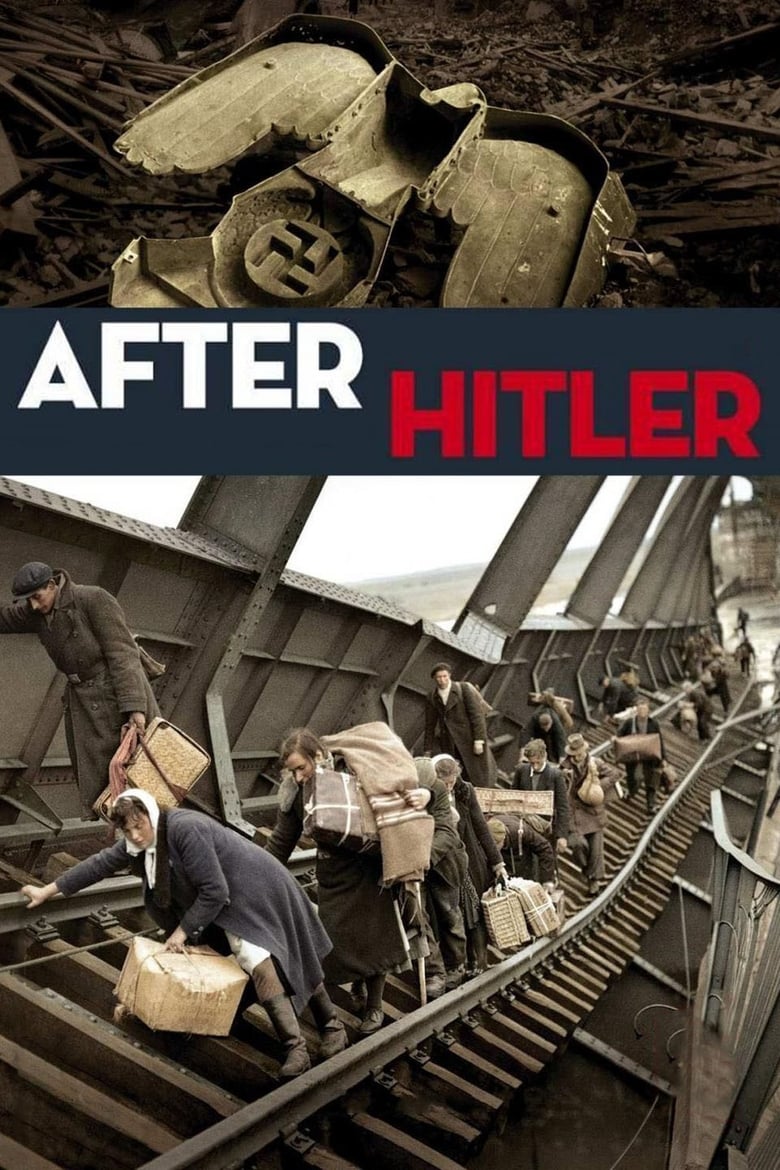
What happened in France just after WWII, between 1945 and 1949? An interesting historic documentary looks at the fate of male and female (presumed) collaborators with the Nazis, the use of the POW in the reconstruction of the plundered and devastated country.
Overall Score
Limited
Category Breakdown
LGBTQ+ Representation
The documentary focuses on the political and economic reconstruction of post-WWII France. There is no evidence regarding the inclusion of LGBTQ+ narratives or critiques of heteronormativity.
Gender Representation
The film examines the fates of both male and female collaborators. This inclusion moves beyond a purely male-centric view by acknowledging the agency and consequences faced by women.
Racial & Ethnic Diversity
The narrative centers on the domestic fate of collaborators and POWs. While post-war France involved complex racial dynamics, there is no explicit focus on intersectional racial agency.
Religious & Cultural Diversity
The film explores subjective morality by examining the fates of collaborators. It avoids a singular nationalist narrative by focusing on the plundered and devastated reality of the country.
Disability Representation
There is no evidence to suggest that neurodivergence, physical disability, or mental health conditions are central themes or addressed through characters with agency.
Strengths
Areas for Improvement
AI Analysis
After Hitler serves as a traditional historical inquiry into the socio-political landscape of France between 1945 and 1949. The film prioritizes archival preservation and the study of post-war reconstruction over the subversion of modern social norms. While the documentary avoids a monolithic view of history by including the female experience of collaboration, it remains bound by the material realities of the mid-20th century. It functions as a documentation of national recovery rather than a tool for identity-based critique. The narrative architecture focuses on the legal and social consequences for collaborators and the use of POWs in rebuilding the nation. Consequently, it does not appear to utilize its platform to challenge contemporary systemic hierarchies.
1977

2019

2006

2020

2019

2017

2017

2001

2025
1962
2022

2004
No reviews yet. Be the first to share your thoughts on this movie!
Use the rating form above to leave a star rating and optional review.