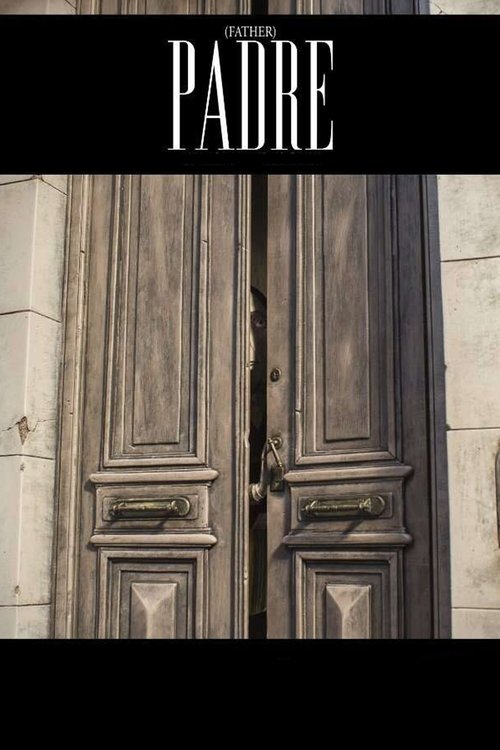
Padre
2013
No user ratings available yet
Representation score: 6.3 out of 10
No Poster Available
Representation Score
Fair
1994
Director
William Kentridge
Runtime
9 minutes
Average Rating
No ratings yetNew Showbiz Analysis
William Kentridge uses charcoal animation to explore the psychological legacies of apartheid-era South Africa. The film serves as a post-colonial critique, using abstraction to examine the tension between historical trauma and political change. It goes beyond simple inclusion to challenge the systemic erasure of underrepresented communities from national memory. The work is a powerful tool for social inquiry, focusing on the deconstruction of historical status quos rather than celebratory national narratives.
Category Breakdown
The film does not include explicit LGBTQ+ characters or stories. Instead, it focuses on the sociopolitical and existential issues in South Africa.
An African woman named Nandi uses her role as an observer to provide intellectual insight. She documents systemic violence with surveyor's instruments, challenging the stereotype of passive women.
The work highlights the experiences of oppressed communities by integrating African bodies into the landscape. It uses metaphor to address racial trauma and disrupt the traditional white perspective.
The film offers a sophisticated critique of power structures rooted in history. It questions how history is shaped and challenges the systemic violence of colonial and capitalist systems.
The film does not depict specific cases of physical or neurodivergent disabilities. While it explores psychological fragmentation, it does not address standard measures of disability representation.
Present on Screen
Limited or Absent
Official Synopsis
Felix in Exile introduces a new character to the 'Drawings for Projection' series: Nandi, an African woman, who appears at the beginning of the film making drawings of the landscape. She observes the land with surveyor's instruments, watching African bodies, with bleeding wounds, which melt into the landscape. She is recording the evidence of violence and massacre that is part of South Africa's recent history. Felix Teitelbaum, who features in Kentridge's first and fourth films as the humane and loving alter-ego to the ruthless capitalist white South African psyche, appears here semi-naked and alone in a foreign hotel room, brooding over Nandi's drawings of the damaged African landscape, which cover his suitcase and walls. Kentridge has commented: 'Felix in Exile was made at the time just before the first general election in South Africa, and questioned the way in which the people who had died on the journey to this new dispensation would be remembered'.
2013

1989
2000
2018
2018
2019
2013
2011
No reviews yet. Be the first to share your thoughts on this movie!
Use the rating form above to leave a star rating and optional review.