
Bophana: A Cambodian Tragedy
1996
No user ratings available yet
Representation score: 6.8 out of 10
Representation Score
Excellent
2013
Not RatedDirector
Rithy Panh
Runtime
95 minutes
Average Rating
No ratings yetNew Showbiz Analysis
Rithy Panh’s documentary is a powerful reclamation of Khmer identity, effectively challenging Eurocentric historical narratives. By focusing on a non-Western perspective, the film excels in racial and cultural representation. However, the film does not delve into specific LGBTQ+ narratives or neurodivergence. These omissions reflect the historical context of the Khmer Rouge era rather than intentional exclusion. Overall, the film succeeds by using postmodern media to highlight systemic truths and the erasure of underrepresented populations, emphasizing collective history over individual stories.
Category Breakdown
The film does not specifically address LGBTQ+ narratives or non-cisgender identities. Instead, it focuses on the collective survival of the Cambodian people under a totalitarian regime.
Women and men are portrayed as victims of a bureaucratic system that devalues individual identity. The narrative emphasizes the shared struggle for survival rather than individual empowerment.
This film centers a non-Western perspective, providing a nuanced exploration of Khmer identity and reclaiming a history that was nearly lost. It offers a rich, detailed look at Khmer culture and experiences.
The film highlights the destruction of traditional religious and cultural structures as a key element of the regime's oppression. It critiques the dismantling of these social norms.
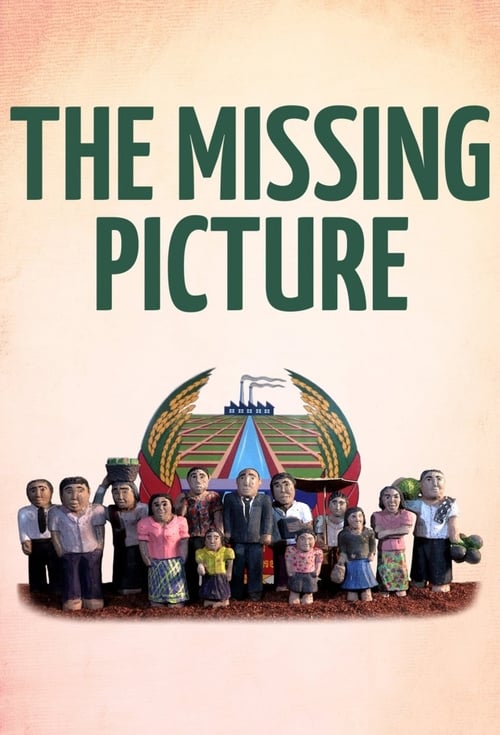
The film captures the physical and mental devastation of the population. Using claymation, it vividly illustrates the broken human form within the broader historical context.
Present on Screen
Limited or Absent
Official Synopsis
Rithy Panh uses clay figures, archival footage, and his narration to recreate the atrocities Cambodia's Khmer Rouge committed between 1975 and 1979.
1996
1985
2011
2010

2016
2018

2003
2014
No reviews yet. Be the first to share your thoughts on this movie!
Use the rating form above to leave a star rating and optional review.