
This Is Not a Movie: Robert Fisk and the Politics of Truth
2019
No user ratings available yet
Representation score: 8.1 out of 10
Representation Score
Good
2018
Director
Raúl de la Fuente, Damian Nenow
Runtime
86 minutes
Average Rating
No ratings yetNew Showbiz Analysis
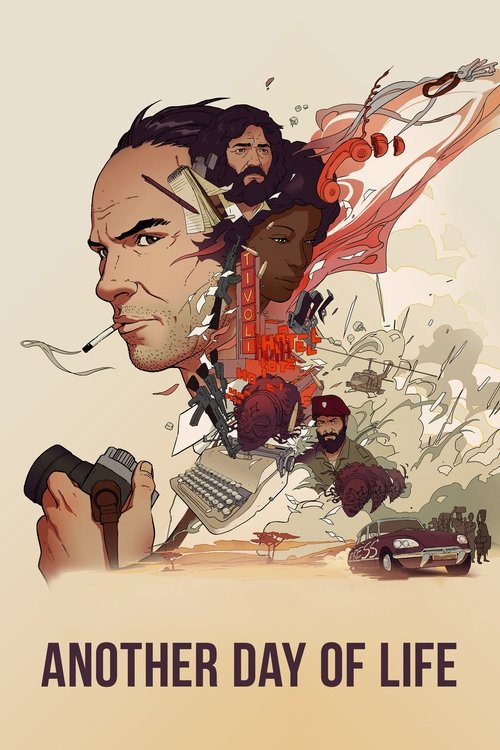
Another Day of Life succeeds by shifting the focus from a Eurocentric perspective to the raw reality of the Angolan conflict. The use of stylized animation allows for a symbolic, humanistic exploration of a non-Western struggle, moving beyond mere caricature. However, the film remains centered on a traditional biographical structure. The narrative ability to act is heavily concentrated on the male protagonist, which limits the breadth of gendered perspectives and interpersonal dynamics.
Category Breakdown
The film explores human vulnerability and social breakdown, creating space for non-traditional dynamics. However, there are no explicit LGBTQ+ character arcs present in the narrative.
The story centers on a male journalist navigating the male-dominated field of war reporting. While the conflict impacts all genders, the narrative focuses on the protagonist's actions.
The film disrupts Western-centric views by centering the Angolan Civil War. It uses animation to symbolically represent the diverse ethnic landscape and the complexities of the Angolan people.
The narrative critiques Western intervention and colonial-era power struggles. It avoids traditional heroism, instead focusing on the systemic dysfunction and chaos of political collapse.
There is no explicit evidence regarding the portrayal of physical or neurodivergent disabilities within the film.
Present on Screen
Limited or Absent
Official Synopsis
In 1975, Ryszard Kapuściński, a veteran Polish journalist, embarked on a seemingly suicidal road trip into the heart of the Angola's civil war. There, he witnessed once again the dirty reality of war and discovered a sense of helplessness previously unknown to him. Angola changed him forever: it was a reporter who left Poland, but it was a writer who returned…
2019
1997
2016
2019
2017
2019

2018

2008
No reviews yet. Be the first to share your thoughts on this movie!
Use the rating form above to leave a star rating and optional review.