
What Will You Do When You Catch Me?
1978
No user ratings available yet
Diversity score: 4.4 out of 10
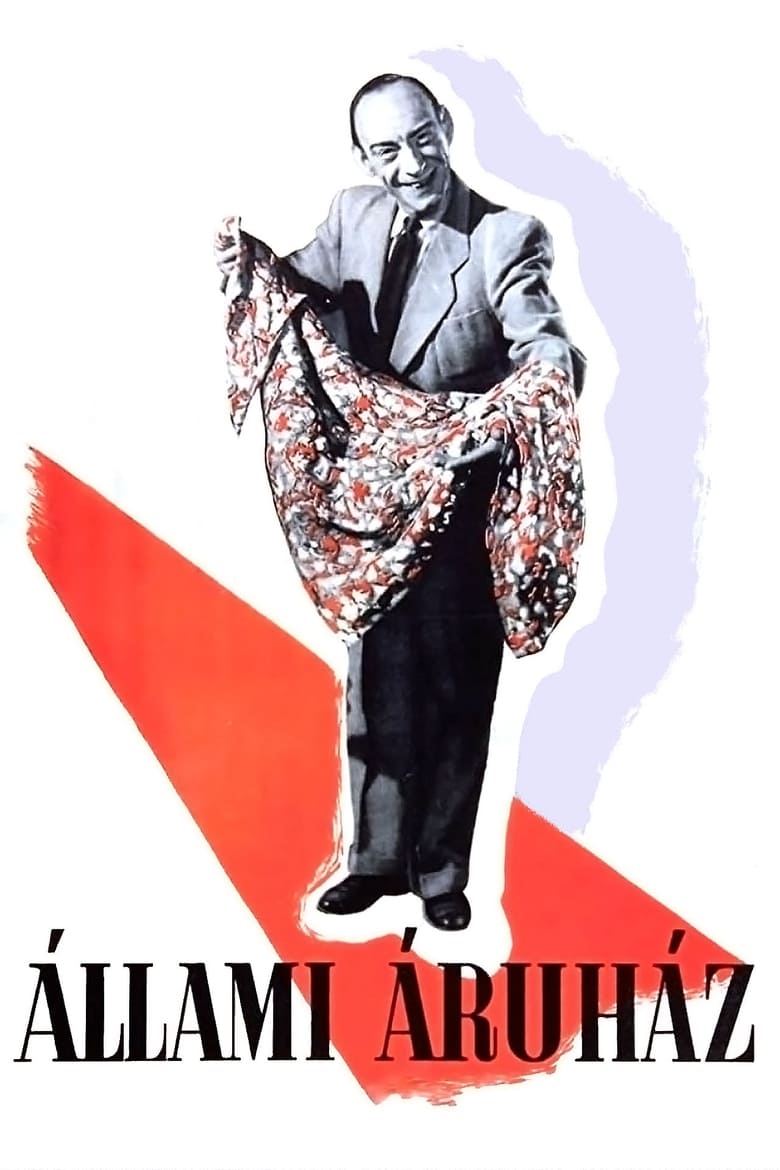
1953
Director
Viktor Gertler
Runtime
98 minutes
Average Rating
No ratings yetSynopsis
Kocsis Ferenc excellent staff appointed the new director of public stores. Ilonka a talented fashion designer, Boriska a dear, Daniel, a overzealous, Klimke, a conservative sale and Glauziusz uncle, conscientious, honest book promotes the work. Ilonka initially rather just keep arguing, even though both of their lives off the job. The selfishness will love soon. Dancs Meanwhile, the old manager spreads the rumor that the new socialist trade can not meet the demand. Relatives and friends start buying into action, leading to mass hysteria. However, the new store is borne by the customer siege until the arrival of the supply.
Overall Score
Fair
Category Breakdown
LGBTQ+ Representation
The film lacks explicit evidence of non-heteronormative identities. The narrative relies on traditional romantic tropes, focusing on the tension between Ilonka and the staff.
Gender Representation
Ilonka serves as a central figure, portrayed as a talented fashion designer with professional agency. Her argumentative nature challenges passive female archetypes through her workplace conflicts.
Racial & Ethnic Diversity
The production reflects a homogeneous social structure typical of its era. There is no evidence of multi-ethnic casting or diverse ethnic identities within the narrative.
Religious & Cultural Diversity
The story offers a strong critique of individualistic hoarding and Western-style commercialism. It frames the transition to socialist trade as a necessary evolution for collective stability.
Disability Representation
The narrative contains no mention of characters with visible or invisible disabilities.
Strengths
Areas for Improvement
AI Analysis
The film is a product of early 1950s Eastern Bloc cinema, prioritizing socialist realism over intersectional identity. While it lacks modern diversity in terms of race and LGBTQ+ representation, it is highly intentional in its cultural messaging. The narrative functions primarily as a critique of capitalist consumerism. By pitting new systemic ideals against old-world management, the film emphasizes collective stability over individual selfishness. Gender representation is moderate, as the film centers on a professional woman rather than a purely domestic figure. However, the overall score remains low due to the era's demographic homogeneity.
1978

1974

1925
1967

1995

1973

1982

1984

1974

1963

1963
1959
No reviews yet. Be the first to share your thoughts on this movie!
Use the rating form above to leave a star rating and optional review.