The Emergency Exit
1982
No user ratings available yet
Representation score: 2.8 out of 10
Representation Score
Fair
1978
Director
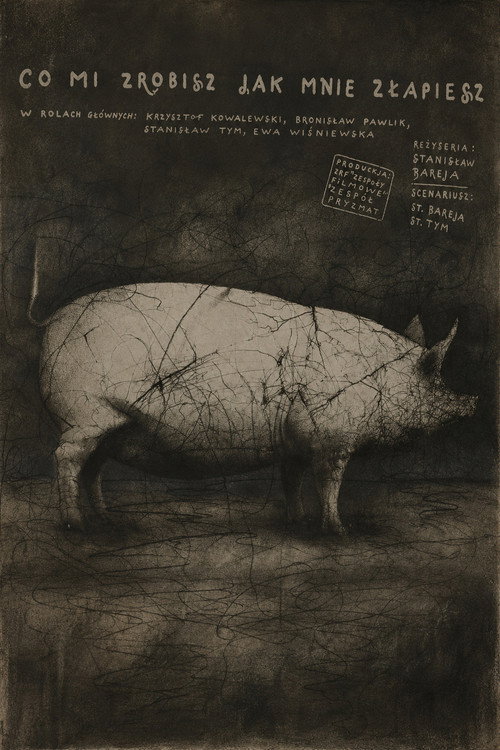
Stanisław Bareja
Runtime
99 minutes
Average Rating
No ratings yetNew Showbiz Analysis
The film is a product of its specific historical and geographic context, reflecting the demographic homogeneity of the Eastern Bloc in the late 1970s. This results in low scores for racial and LGBTQ+ representation. However, the film excels in cultural commentary. It uses satire to deconstruct the absurdities of state-run institutions and the friction between individual ability to act and bureaucratic structures. The narrative effectively challenges the perceived stability of social and political hierarchies. While gender representation is moderate, the film avoids simple clichés by showing how personal scandals and political connections can destabilize traditional masculine authority.
Category Breakdown
The story focuses on heterosexual relationships and the social pressures of marriage. There is no evidence of queer narratives or non-binary gender identities.
The plot centers on a male protagonist's anxieties but introduces complex female dynamics through his mistress. This setup challenges traditional masculine authority and portrays it as fragile.
The film reflects the demographic homogeneity of 1978 Poland. The narrative does not indicate a diverse or multi-ethnic cast, adhering to the era's social constraints.
The film offers a sophisticated critique of centralized power and systemic corruption. It satirizes state-owned institutions and the influence of Communist Party officials.
There is no mention of characters with visible or invisible disabilities within the narrative.
Present on Screen
Limited or Absent
Official Synopsis
Tadeusz Krzakoski, the director of a failing state-owned company, is married with problems. His mistress, the daughter of a Communist party bigwig, says she's pregnant and Tadeusz knows he'll have to marry her to save his reputation and his job. But divorce is never simple and Bareja's screwball comedies are never boring.
1982
1967
1980
1967
1976
1973

1985
1967
No reviews yet. Be the first to share your thoughts on this movie!
Use the rating form above to leave a star rating and optional review.