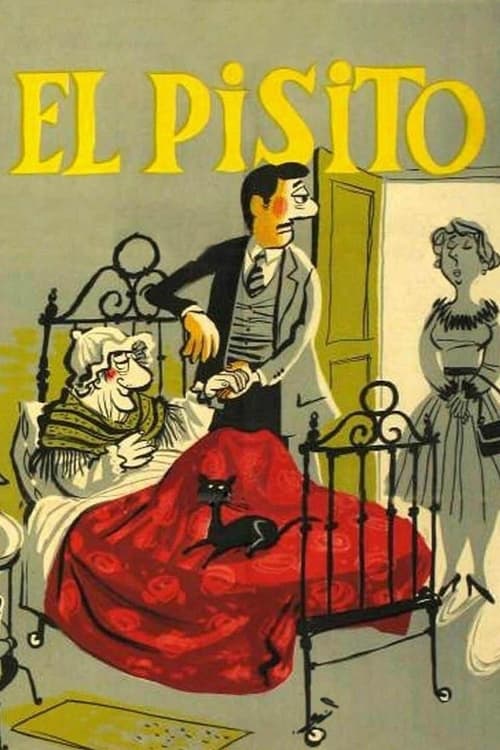
The Little Apartment
1959
No user ratings available yet
Representation score: 7.0 out of 10

Representation Score
Fair
1974
Director
Stanisław Bareja
Runtime
91 minutes
Average Rating
No ratings yetNew Showbiz Analysis
The film mainly serves as a satirical look at systemic issues rather than a platform for diverse representation. Though it doesn't include LGBTQ+ or racial diversity, it stands out by criticizing institutional power. The narrative highlights the individual's fight against oppressive systems, offering a progressive view despite a narrow demographic focus. Ultimately, it explores the tension between individuals and state-regulated life, presenting an anti-institutional perspective.
Category Breakdown
The film doesn't show LGBTQ+ identities or dynamics that go beyond the assumption that everyone is straight. It focuses on a traditional family during a divorce.
Wanda's independence and the legal issues around her divorce are central. The story challenges the idea of a perfect family by focusing on the problems of marriage breakdown.
The cast and setting reflect the demographics of 1974 Poland, which is predominantly one ethnic group. There is no indication of diverse racial backgrounds.
The film effectively critiques institutions and bureaucracy. It questions the sanctity of homes by showing them as places where systems intrude.
There is no information about the portrayal of physical or neurodivergent disabilities in the provided narrative.
Present on Screen
Limited or Absent
Official Synopsis
Janek and Wanda live in a small room in a villa, while other rooms are occupied by offices of various institutions. Janek often stays at work after hours, just to avoid returning to the cramped apartment too early. One day, a man named Malinowski, who once lived in the same small room, visits the couple. He proposes to exchange their room for a new, two-room apartment that he has just received. Janek and Wanda are initially distrustful, but eventually, the exchange takes place. It turns out that Wanda's ex-husband, Jerzy, already lives in the new apartment. Despite the divorce, as he is registered with Wanda, he has the right to continue living in her apartment. Janek tries to find a way to get rid of the intruder.
1959
1958
1988
1985
1976

1968

2017
1960
No reviews yet. Be the first to share your thoughts on this movie!
Use the rating form above to leave a star rating and optional review.