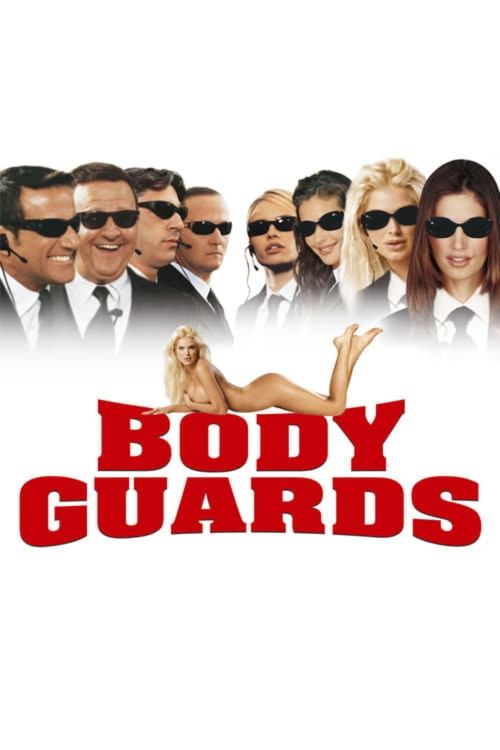
Body Guards
2000
No user ratings available yet
Diversity score: 1.6 out of 10
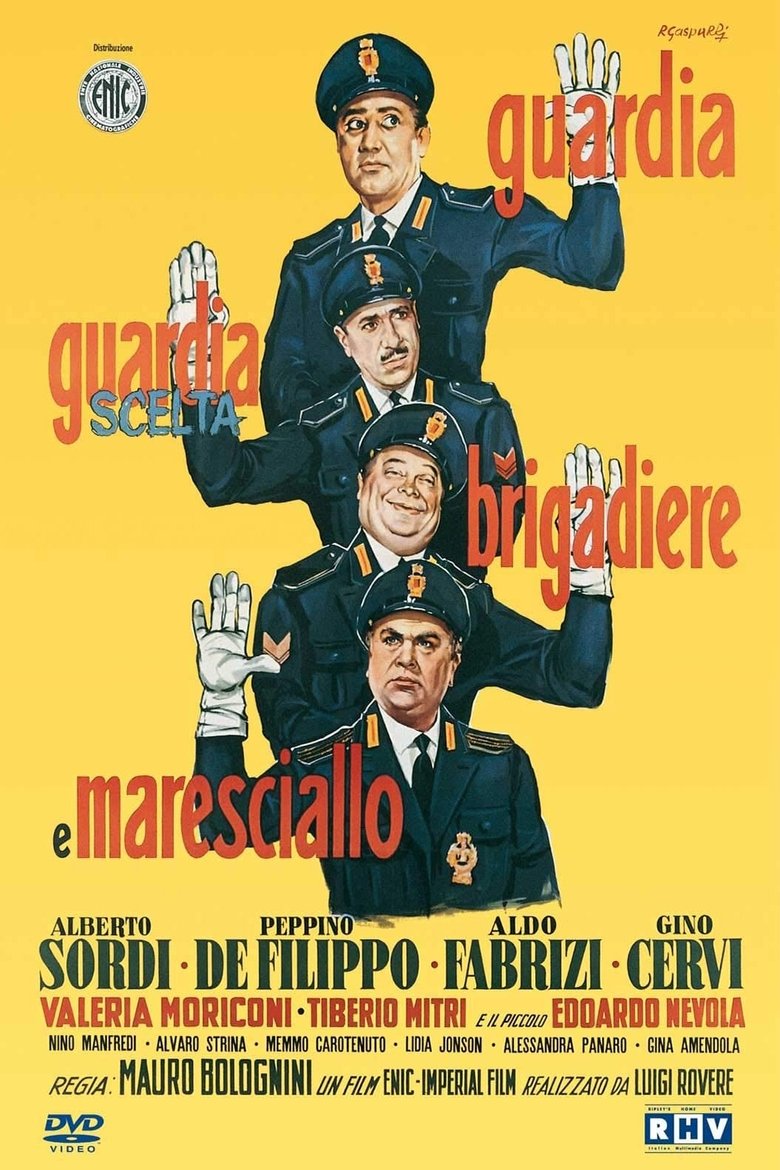
1956
Director
Mauro Bolognini
Runtime
87 minutes
Average Rating
No ratings yetSynopsis
This is the (funny) story of four agents of Roma traffic police in the '50s. Their life are crossed in affairs that often retire from mere job relationships. 'Guardia scelta' (special agent) Giuseppe tries to be a composer, he wants to write the anthem for the roman traffic police. 'Guardia'(agent) Alberto Randolfi has a too strong inclination to fine everyone and is dreaming about learning French. 'Brigadiere' (sergeant) Pietro Spaziali is busy looking at his little son Tonino and daughter Maria who is going to marry a boxer. The 'Maresciallo' (Marshal) tries to manage and solve all the troubles they often do.
Overall Score
Limited
Category Breakdown
LGBTQ+ Representation
The film adheres to the social constraints of 1950s Italy. It focuses on conventional romantic and familial interests without any evidence of same-sex intimacy.
Gender Representation
The narrative is driven by a patriarchal hierarchy of male officers. Female characters exist primarily in domestic roles, such as daughters, lacking the agency to drive the plot.
Racial & Ethnic Diversity
The setting and cast are ethnically homogeneous, reflecting the demographic realities of mid-century Italy. It functions as a localized study of Italian civil service.
Religious & Cultural Diversity
The story portrays Western institutions and the family unit as stable pillars of community life. It explores the minor absurdities of bureaucracy and social order.
Disability Representation
There are no prominent depictions of visible or invisible disabilities. Characters are portrayed through comedic archetypes rather than through the lens of physical or neurodivergent impairment.
Strengths
Areas for Improvement
AI Analysis
Mauro Bolognini’s comedy functions as a period-specific mirror to the social hierarchies of 1950s Italy. The film prioritizes traditional masculine authority and homogeneous social structures, focusing on the professional lives and camaraderie of male traffic police officers. The narrative architecture is built around conventional social norms. While the film avoids harmful caricatures, it does not attempt to subvert the era's status quo, resulting in a traditionalist approach to character and community. Ultimately, the film is a localized study of provincial life. It reinforces existing social cohesion and gendered divisions of labor rather than engaging with broader intersectional or globalized narratives.
2000
1957
1958
1963
1964
1960
1964
1959
1961
1954
1984
1957
No reviews yet. Be the first to share your thoughts on this movie!
Use the rating form above to leave a star rating and optional review.