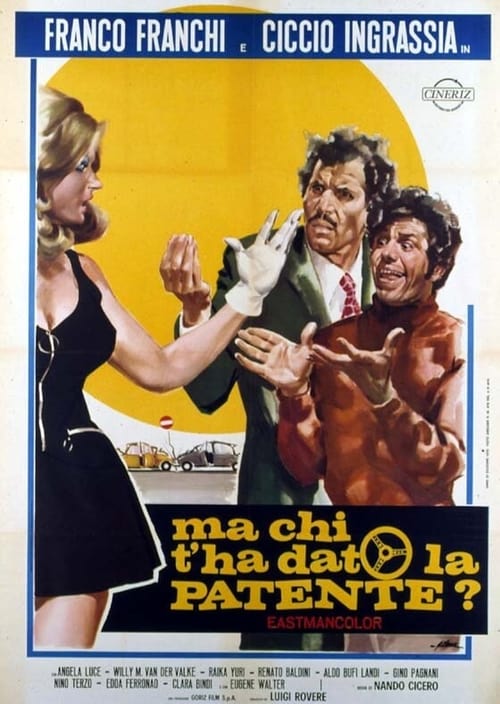
Who Gave You the License?
1970
No user ratings available yet
Representation score: 3.9 out of 10
Representation Score
Minimal
1959
Director
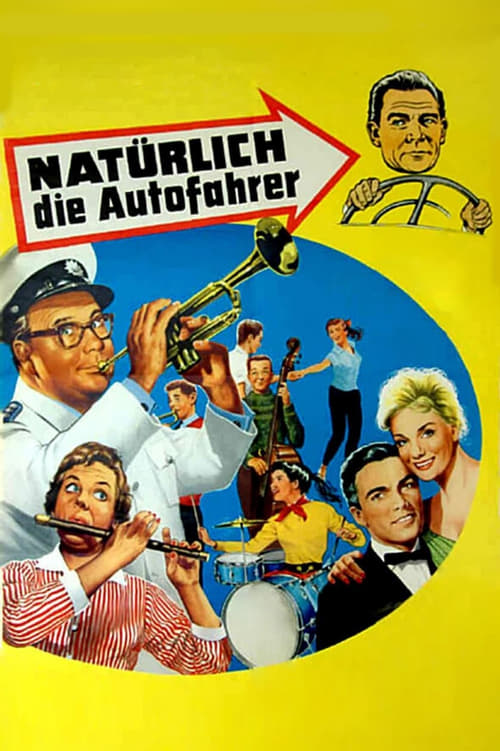
Erich Engels
Runtime
82 minutes
Average Rating
No ratings yetNew Showbiz Analysis
The film is a quintessential product of its time, prioritizing the social structures and demographic homogeneity of 1950s West Germany. It functions as a lighthearted comedy centered on the middle class and the introduction of new technologies like the automobile. Representation is strictly conventional, focusing on traditional romance and gender hierarchies. The narrative lacks any meaningful engagement with LGBTQ+ identities, racial diversity, or disability, instead favoring a narrow, culturally specific perspective. Ultimately, the film observes social change through a lens of established order. It seeks to entertain through situational humor rather than challenging systemic hierarchies or providing diverse perspectives.
Category Breakdown
The film follows traditional romantic pairings, focusing on the relationship between Karin and Walter. It stays within the social norms of the 1950s without exploring non-traditional gender identities.
Gender roles reflect the era's hierarchies, with female characters primarily in domestic or romantic roles. The central conflict is driven by the male protagonist's authority and his struggle with new technology.
The cast appears ethnically homogeneous, reflecting the demographics of 1959 West Germany. The narrative focuses on the middle class without incorporating diverse ethnic backgrounds.
The story serves as a social satire regarding modernization and consumerism. It emphasizes post-war middle-class values and social manners rather than critiquing Western institutions or religious traditions.
There is no evidence of characters with visible or invisible disabilities having significant roles. The plot centers on social etiquette and driving mishaps rather than addressing neurodivergence or chronic illness.
Present on Screen
Limited or Absent
Official Synopsis
Eberhard Dobermann is a widower and a policeman who loves to control the roads and let people pay fines. Even with his neighbour and friend Jutta Schmalbach he has no pity. Thus he cannot understand why his daughter Karin just falls in love with a racing pilot called Walter. But it gets even worse when Eberhard wins a VW-Kaefer at the annual police party. So he has to learn to drive and thus even brings his teacher close to a heart attack.
1970
1968
1962
1991
1979

1980
1964
1980
No reviews yet. Be the first to share your thoughts on this movie!
Use the rating form above to leave a star rating and optional review.