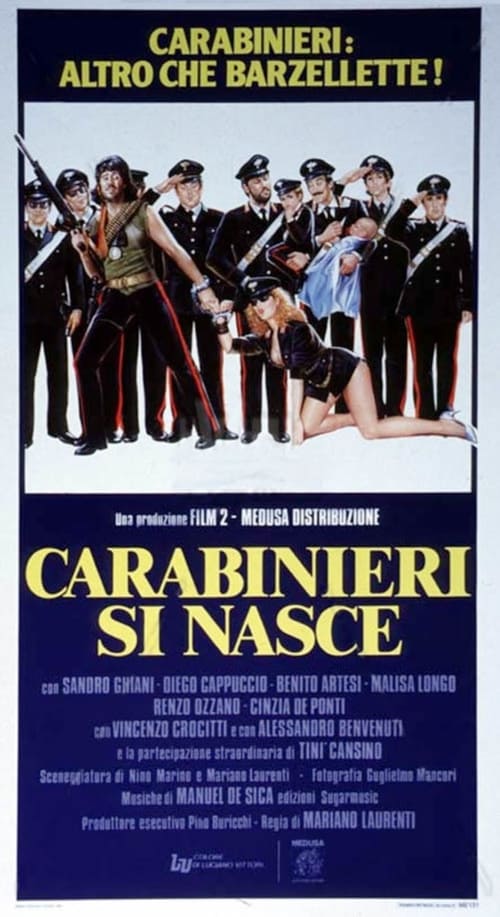
Carabinieri si nasce
1985
No user ratings available yet
Representation score: 1.6 out of 10
Representation Score
Minimal
1984
Director
Carlo Verdone
Runtime
115 minutes
Average Rating
No ratings yetNew Showbiz Analysis
Carlo Verdone’s comedy centers on traditional, localized storytelling that reflects the demographic norms of 1980s Italy. The film emphasizes character-driven humor focused on male friendship and romantic rivalry, limiting its scope of representation. While the film effectively humanizes a state institution by highlighting bureaucratic inefficiency, it does so through a narrow lens. The absence of diverse cultural frameworks and multi-layered identities confines the narrative to a specific, conventional social context. Ultimately, the film serves as a period-specific reflection of Italian domestic comedy. It captures the unique traits of the Italian working and middle classes but does not engage with broader social complexities or diverse lived experiences.
Category Breakdown
The film adheres to a structure that assumes everyone is straight or cisgender. There are no non-binary or LGBTQ+ identities represented.
The story focuses heavily on male camaraderie and competition. Women are primarily portrayed as objects of desire or plot catalysts, lacking independent roles.
The casting reflects the demographic uniformity typical of 1980s Italian cinema. The story lacks ethnic diversity, showing a localized view of Rome and the national police force.
The film offers a light-hearted critique of bureaucratic inefficiency. It portrays the Carabinieri as flawed and incompetent, but it does not delve into deeper systemic or capitalist issues.
The film does not address physical disabilities, neurodivergence, or mental health issues. Character struggles are defined by professional incompetence and romantic jealousy.
Present on Screen
Limited or Absent
Official Synopsis
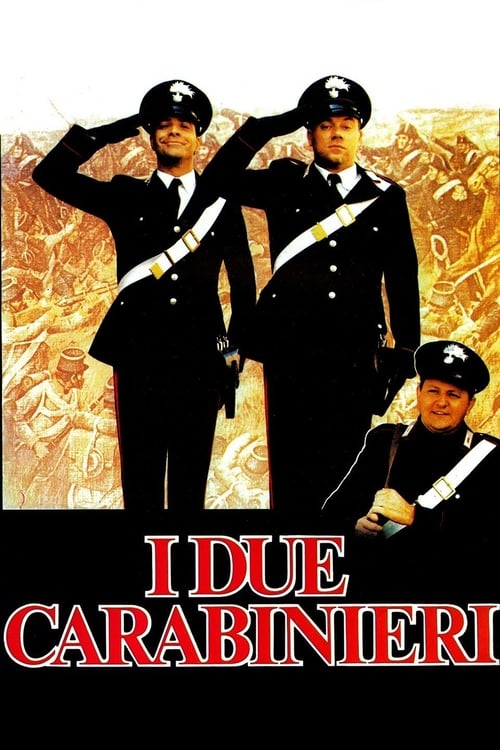
Two deadbeat friends barely pass the entrance exam for the Carabinieri, the national gendarmerie of Italy, but love for the same woman gets in the way.
1985
1982
1981
1995
1981
1985
1989

2005
No reviews yet. Be the first to share your thoughts on this movie!
Use the rating form above to leave a star rating and optional review.