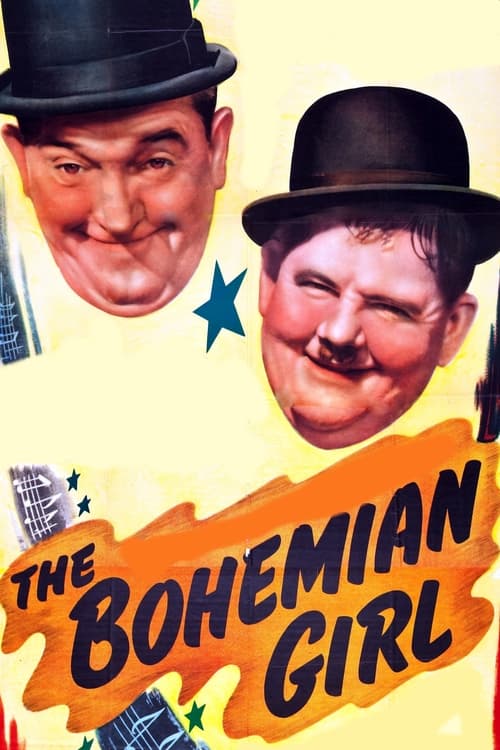
The Bohemian Girl
1936
No user ratings available yet
Representation score: 2.2 out of 10
No Poster Available
Representation Score
Limited
1935
PassedDirector
Ralph Staub
Runtime
20 minutes
Average Rating
No ratings yetNew Showbiz Analysis
Gypsy Sweetheart is a classic 1930s musical comedy that relies on well-established period clichés. While it includes Romani characters, it does so through an exoticized lens. The characters serve primarily as sources of entertainment, such as fortune-telling and dancing, rather than as fully developed individuals. The film upholds traditional social hierarchies, using the clash between a formal lawn party and a traveling caravan to create comedy. It does not challenge these norms and lacks representation of queer identities or nuanced portrayals of disabilities.
Category Breakdown
The film does not include any representation of non-straight or non-cisgender identities, nor does it show any same-sex relationships. It follows the traditional structure of 1930s musical comedies.
Tina is a central female character, but the plot relies on traditional comedic structures. The humor is based on physical comedy rather than challenging gender roles.
Romani characters bring ethnic variety through their performances, but they might be seen as exoticized figures rather than fully realized individuals.
The story highlights the contrast between settled landowners and nomadic travelers, reinforcing Western social structures without questioning them.
The film does not depict any visible or invisible disabilities. The butler’s kleptomania is used for comedic effect rather than addressing mental health issues.
Present on Screen
Limited or Absent
Official Synopsis
Tina, a singing Gypsy with a band of roving gypsies, is invited by Tom to come over to his mother's estate where a lawn party is in progress. She brings along her friends and a whole caravan of gypsies take over the green, telling fortunes, singing and dancing. Most of the comedy is supplied by the kleptomaniac butler, Bellingham, and his employer who humors his nutty ways...as good help seems to be hard to find.
1936
1929
1935

1933
1933
1937

1939
1929
No reviews yet. Be the first to share your thoughts on this movie!
Use the rating form above to leave a star rating and optional review.