
One Hundred Men and a Girl
1937
No user ratings available yet
Representation score: 1.4 out of 10
Representation Score
Limited
1940
NRDirector
Henry Koster
Runtime
89 minutes
Average Rating
No ratings yetNew Showbiz Analysis
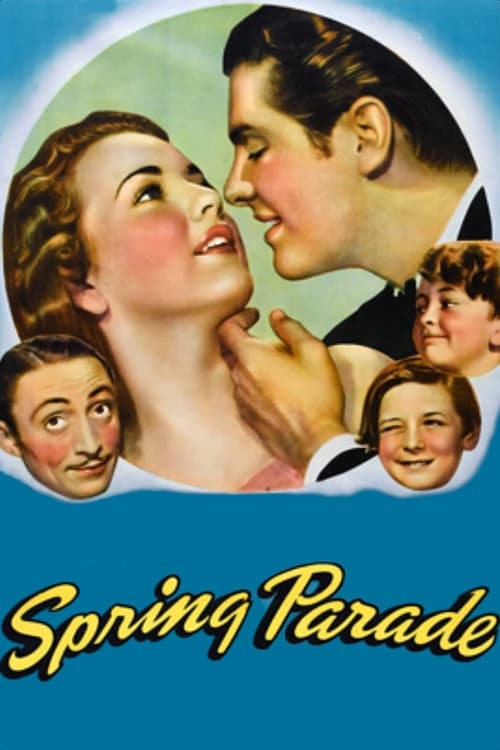
Spring Parade is a classic romantic musical that emphasizes escapism and upholds traditional social order. The narrative depends heavily on established clichés, focusing on a predetermined romance and the fulfillment of imperial and military structures. While the female protagonist, Ilonka, drives the male lead's career advancement, the film remains rooted in mid-century gender roles. It uses ethnic identities as decorative elements rather than challenging existing social hierarchies. Ultimately, the film serves as a light-hearted escape that reinforces traditional Western social values and romantic ideals.
Category Breakdown
The film follows a traditional storyline focused on a predetermined romantic relationship, without addressing non-cisgender identities or questioning traditional romantic ideals.
Ilonka plays a significant role in advancing the male lead's career, but the narrative remains centered on his professional goals.
The film uses European ethnic identities, like Hungarian and Viennese, as colorful backdrops. It includes a gypsy fortune teller based on established cultural clichés of the time.
The plot emphasizes traditional Western institutions, such as imperial structures and destined marriages, as the framework for personal fulfillment.
There are no visible or invisible disabilities shown in the main character arcs.
Present on Screen
Limited or Absent
Official Synopsis
In this light and lovely romantic musical, a Hungarian woman attends a Viennese fair and buys a card from a gypsy fortune teller. It says that she will meet someone important and is destined for a happy marriage. Afterward she gets a job as a baker's assistant. She then meets a handsome army drummer who secretly dreams of becoming a famous composer and conductor. Unfortunately the military forbids the young corporal to create his own music. But then Ilonka secretly sends one of the drummer's waltzes to the Austrian Emperor with his weekly order of pastries. Her act paves the way toward the tuneful and joyous fulfillment of the gypsy's prediction.
1937
1933

1944
1948
1937
1935

1943
1937
No reviews yet. Be the first to share your thoughts on this movie!
Use the rating form above to leave a star rating and optional review.