Glove Affair
1941
No user ratings available yet
Representation score: 1.4 out of 10
Representation Score
Minimal
1942
ApprovedDirector
Jules White
Runtime
18 minutes
Average Rating
No ratings yetNew Showbiz Analysis
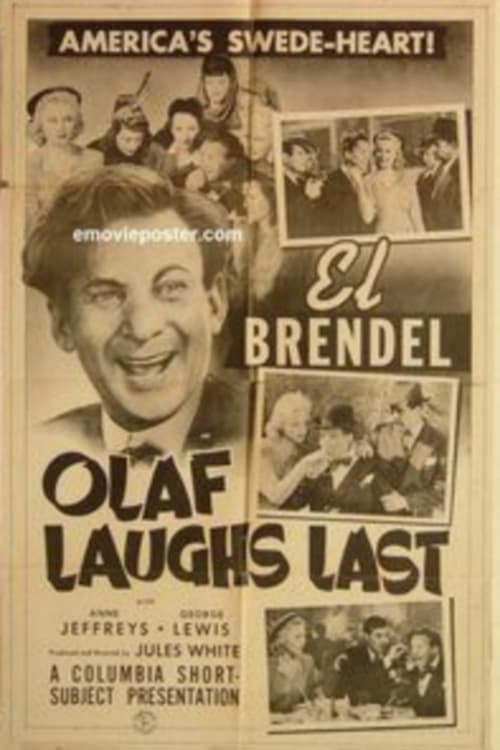
Olaf Laughs Last is a product of its era, adhering to the slapstick and vaudevillian traditions typical of Jules White's work. The narrative follows a conventional mid-century structure where a hero rescues a love interest from criminals. The film lacks complexity in reflecting multiple aspects of identity, instead focusing on established social hierarchies and traditional gender roles. The plot operates within a standard moral framework common to 1940s comedies. Given the focus on a singular, traditional romantic conflict, there is a notable absence of diverse identities or social commentary.
Category Breakdown
The film focuses on a traditional heterosexual relationship. There are no characters with non-binary or LGBTQ+ identities, and the plot does not critique the assumption that everyone is straight or cisgender.
The story reinforces the 1940s clichés of strong male heroes and vulnerable female characters. The male protagonist is the main rescuer, while the female character is passive.
The synopsis does not mention a diverse cast. There is no information suggesting that the film challenges racial hierarchies.
The story follows the typical moral binaries of the time. It operates within the traditional morality of the era without offering any broader social or cultural critiques.
There is no information about characters with physical or neurodivergent disabilities in this comedy.
Present on Screen
Limited or Absent
Official Synopsis
El tries to save his girlfriend, disinterested in him, from a gang of kidnappers.
1941
1943
1950
1943
1951
1945
1942
1941
No reviews yet. Be the first to share your thoughts on this movie!
Use the rating form above to leave a star rating and optional review.