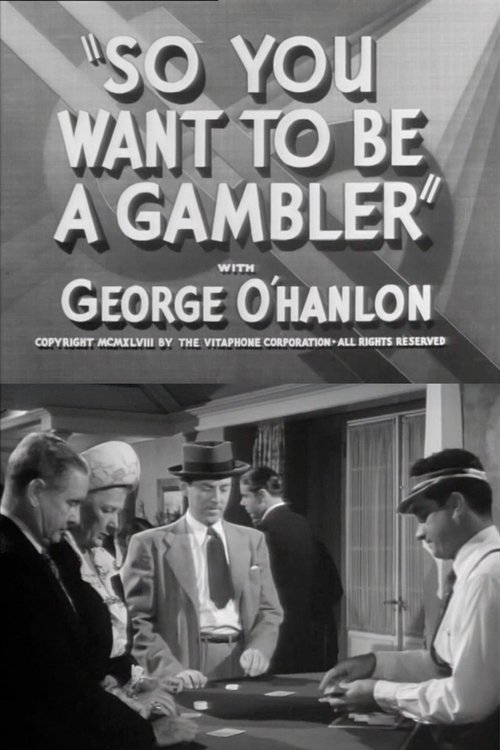
So You Want to Be a Gambler
1948
No user ratings available yet
Representation score: 0.4 out of 10
Representation Score
Minimal
1946
NRDirector
Edwin L. Marin
Runtime
97 minutes
Average Rating
No ratings yetNew Showbiz Analysis
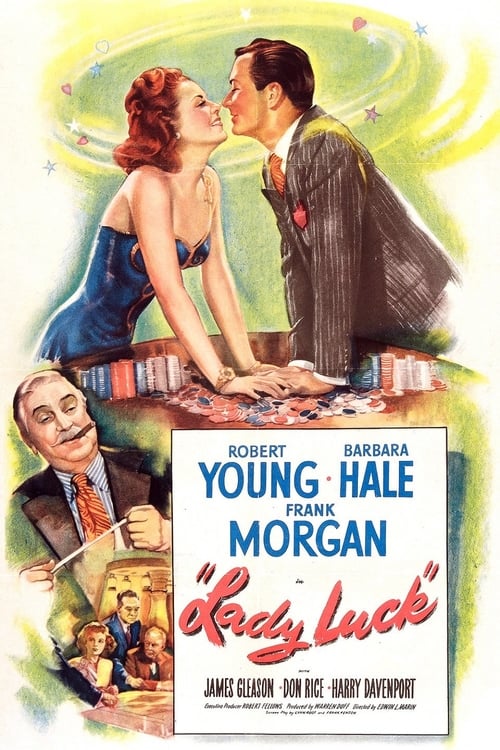
Lady Luck is a product of the 1946 studio era, following the conventional narrative structures and moral frameworks of its time. The film centers on the idea of a woman trying to stabilize a man through marriage. While the female lead influences the gambler, her role is defined by traditional marital roles rather than disrupting gender hierarchies. The film emphasizes established romantic clichés over diverse representation. Overall, the work reflects the social constraints of mid-century Hollywood, focusing on restoring social order through conventional, heterosexual means.
Category Breakdown
The film does not include any non-straight relationships or same-sex intimacy. It seems to follow the heterosexual norms typical of 1946 cinema.
A female character tries to change a male gambler’s life through marriage. She drives the plot, but the story relies on old ideas about women’s influence in the home.
The movie doesn’t show any non-white characters or diverse casting. It probably has a mostly white cast, fitting the historical context.
The story follows traditional Western views on marriage and social reform. It focuses on restoring social order through conventional morality.
There is no evidence of characters with physical or neurodivergent disabilities in the film.
Present on Screen
Limited or Absent
Official Synopsis
A woman marries a gambler with the hopes of reforming him, but things don't quite work out the way she planned.
1948
1938
1951
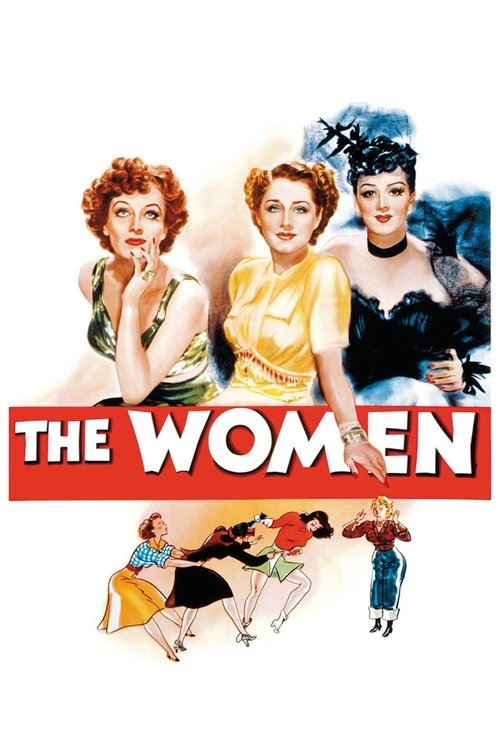
1939
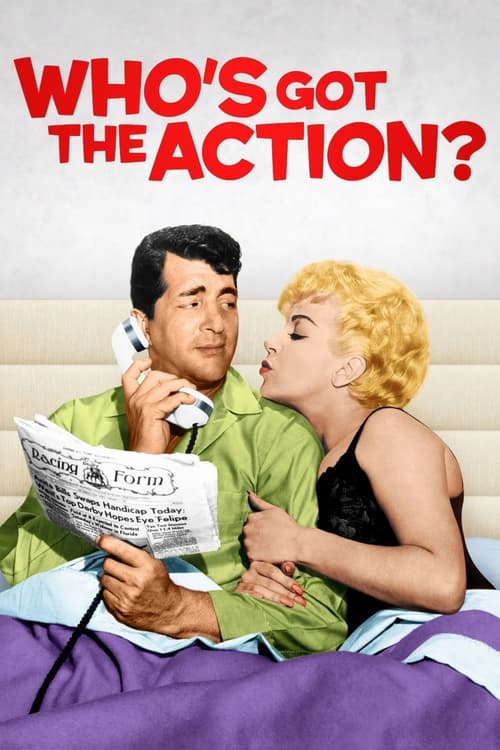
1962
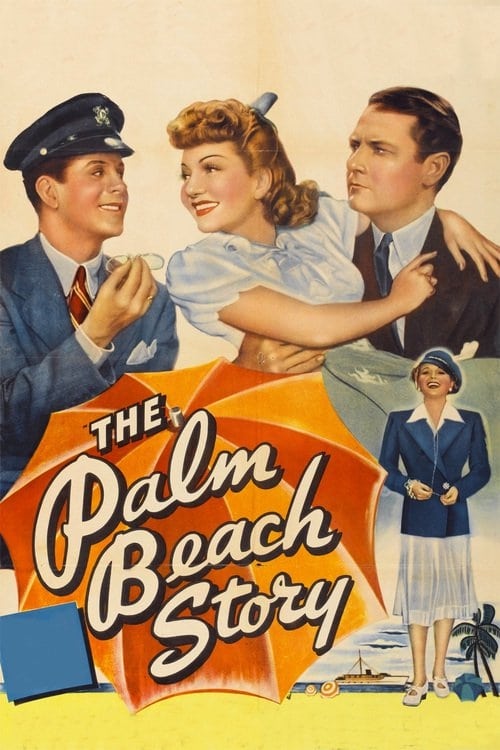
1942
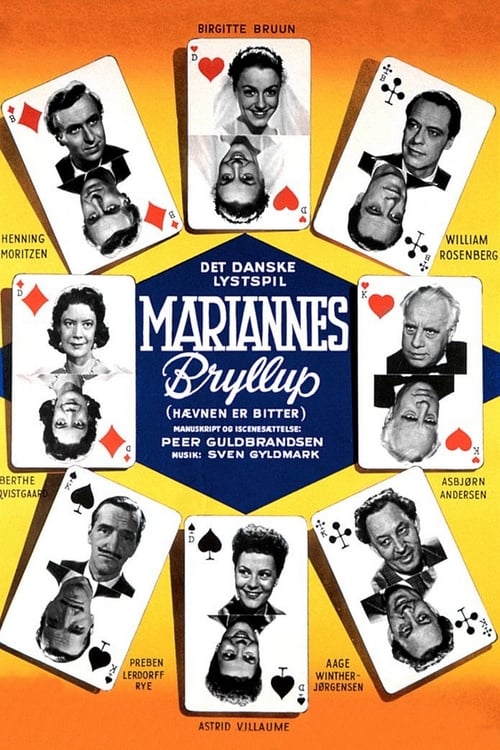
1958
1955
No reviews yet. Be the first to share your thoughts on this movie!
Use the rating form above to leave a star rating and optional review.