We Went to College
1936
No user ratings available yet
Diversity score: 2.2 out of 10
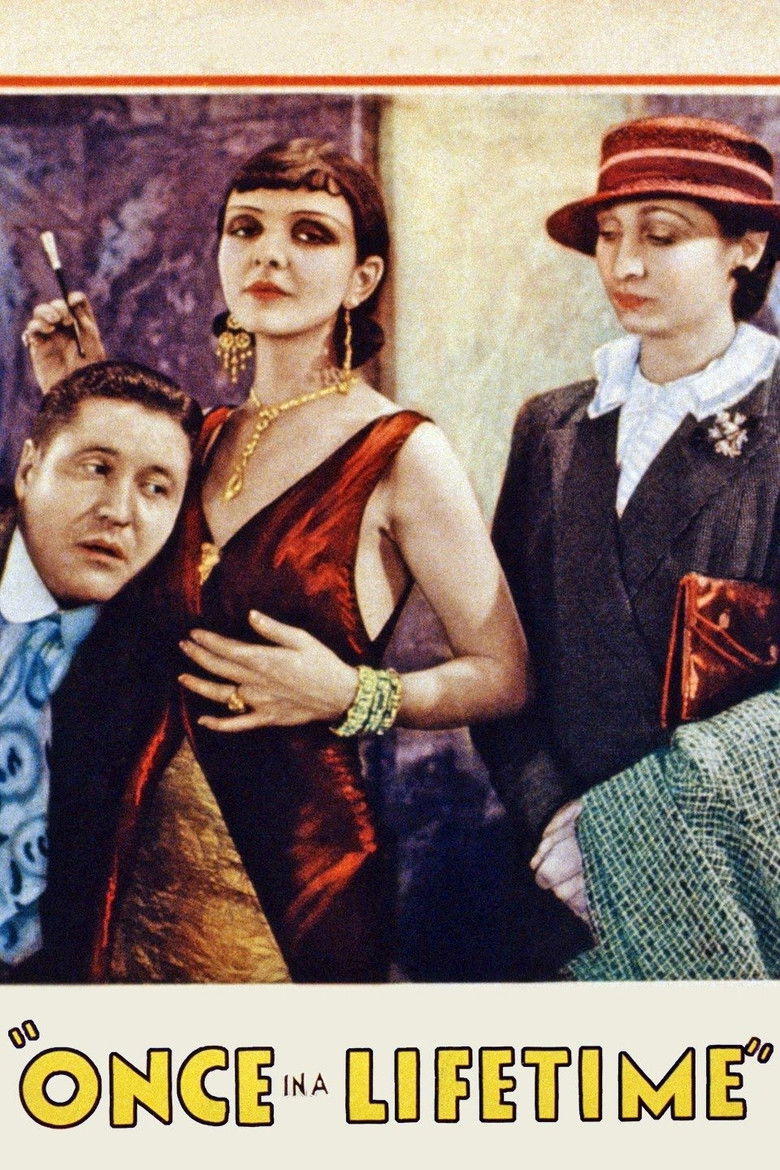
1932
PassedDirector
Russell Mack
Runtime
91 minutes
Average Rating
No ratings yetSynopsis
Story of a Hollywood studio during the transition from silents to talkies.
Overall Score
Limited
Category Breakdown
LGBTQ+ Representation
Queer identities are absent from this narrative. The film adheres to the strict censorship and social norms of the early 1930s.
Gender Representation
The film likely reinforces traditional gender hierarchies common in 1932 comedies. It lacks evidence of subverting masculinity or elevating female intellect.
Racial & Ethnic Diversity
The cast and setting reflect the homogeneous demographics of early 1930s Hollywood. There is no evidence of non-white majority casting.
Religious & Cultural Diversity
This industry satire operates within established studio structures. It does not prioritize secularism or critiques of Western institutions.
Disability Representation
Characters with disabilities lack agency in this story. The era often used disability as a trope rather than a nuanced exploration.
Strengths
Areas for Improvement
AI Analysis
Once in a Lifetime functions as a meta-commentary on Hollywood's transition from silent films to talkies. It captures the volatility of the studio system during a major technological shift, but it does so through a lens of period-typical industry tropes. The film lacks intentional social subversion or intersectional narrative architecture. Instead of challenging social hierarchies, the story remains anchored in the prevailing constraints and demographic homogeneity of the early 1930s studio era. Ultimately, the production serves as a professional satire of the entertainment industry rather than a vehicle for modern identity politics or diverse representation.
1936
1935
1932
1946
1934
1922
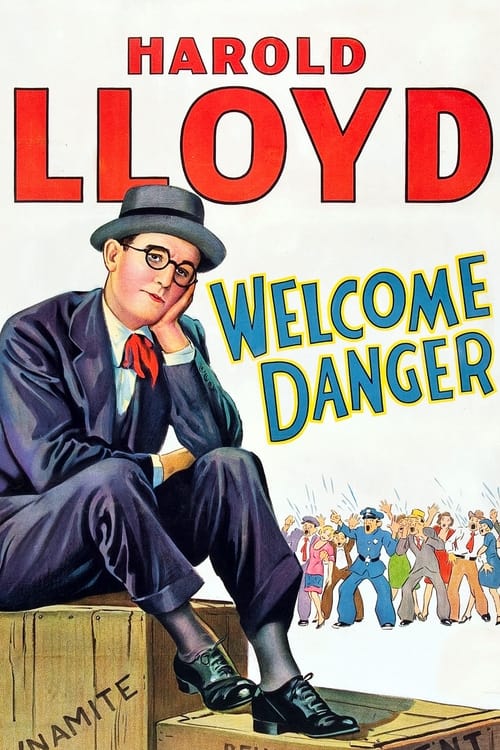
1929
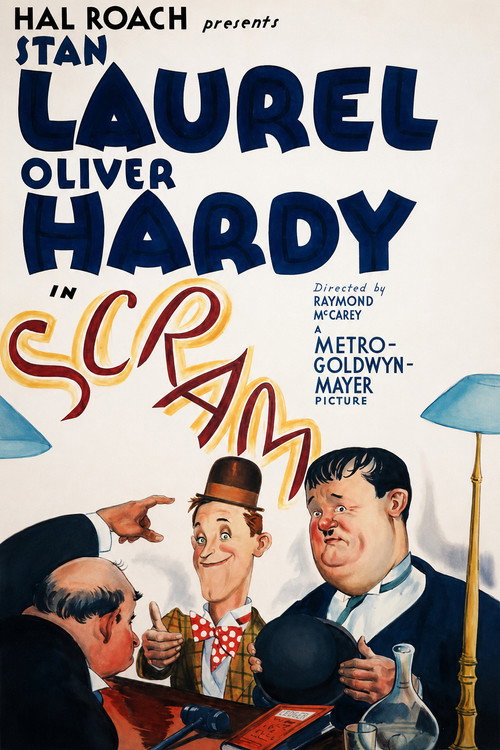
1932
1946
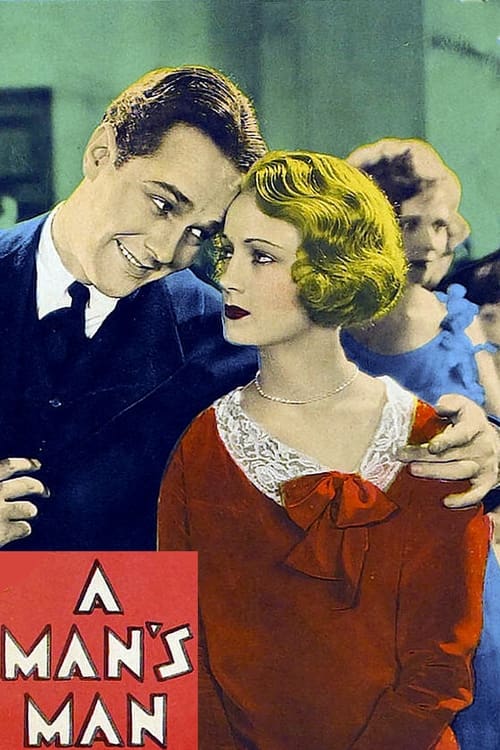
1929
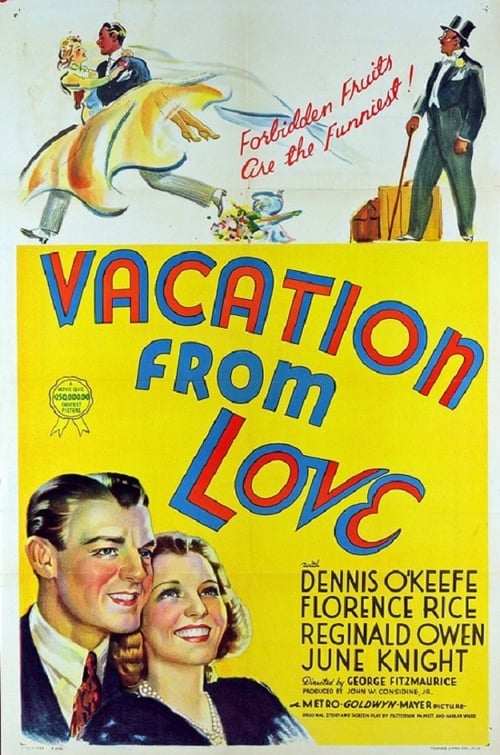
1938
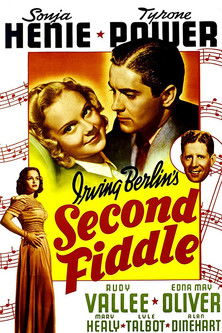
1939
No reviews yet. Be the first to share your thoughts on this movie!
Use the rating form above to leave a star rating and optional review.