Looking for a Wall
1974
No user ratings available yet
Representation score: 5.1 out of 10
Representation Score
Excellent
1986
Director
Paul Leduc
Runtime
108 minutes
Average Rating
No ratings yetNew Showbiz Analysis
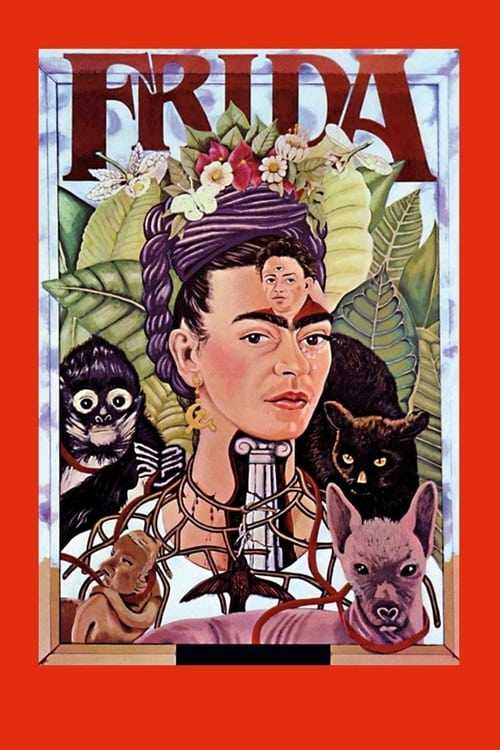
Paul Leduc’s film is a sophisticated exploration of the overlapping aspects of identity, including disability, gender non-conformity, and post-colonial identity. By focusing on a figure at the margins of traditional social structures, the narrative effectively challenges the historical status quo. The film succeeds by treating Kahlo’s physical and emotional struggles as sources of empowerment rather than objects of pity. It provides a nuanced look at individual strength within a changing cultural context. Overall, the work offers a strong portrayal of Mexican identity that steers clear of the typical Western perspective.
Category Breakdown
The film focuses on Frida Kahlo's non-traditional expressions of love and desire. It delves into her fluid relationships and rejection of conventional domestic roles, breaking away from typical mid-20th-century romantic clichés.
Frida Kahlo is portrayed as a key driver of her own life rather than a passive observer. The narrative highlights her struggles as a catalyst for creativity rather than just a source of sadness.
Set during the time of Mexican muralism, the film avoids a Western perspective. Instead, it centers on the Mexican experience and cultural aesthetics, challenging the usual Eurocentric historical drama norms.
The film examines the interplay between art and politics, critiquing established power structures. It portrays social changes as complex, systemic shifts rather than simple binaries.
Frida Kahlo’s physical condition is woven into her identity as an artist. The film avoids pity, focusing instead on the raw reality of her confinement and her artistic success.
Present on Screen
Limited or Absent
Official Synopsis
This film is a chronicle of painter Frida Kahlo, and her encounter with the personalities of her time. Despite being confied to a wheelchair as a result of polio, operations and amputations, she faces and traces some of the most colorful and controversial aspects of Mexican history, during the dominant time of Mexican muralism.
1974
1988
1997
2014
2019
1986
1999
1937
No reviews yet. Be the first to share your thoughts on this movie!
Use the rating form above to leave a star rating and optional review.