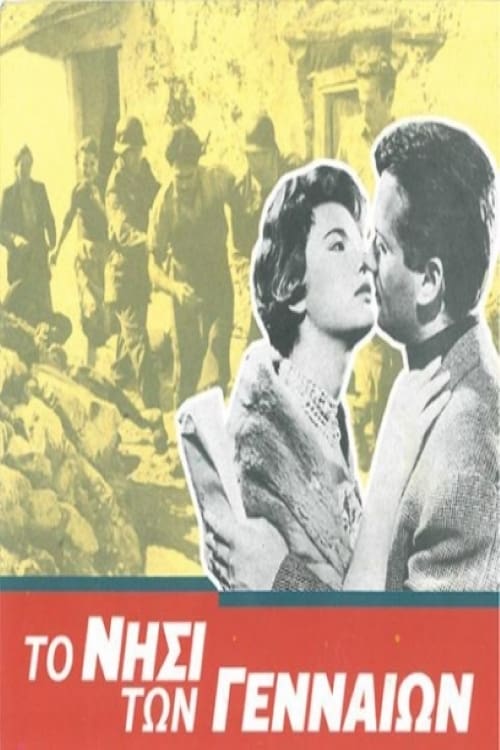
The Island of the Brave
1960
No user ratings available yet
Representation score: 1.3 out of 10
Representation Score
Limited
1960
Director
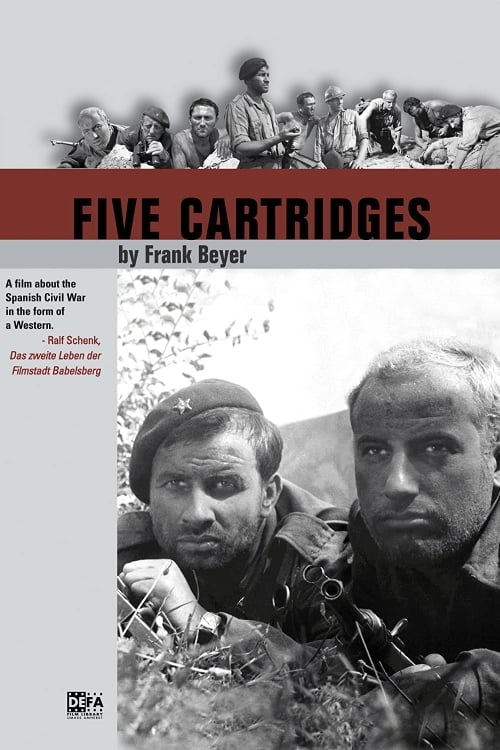
Frank Beyer
Runtime
90 minutes
Average Rating
No ratings yetNew Showbiz Analysis
Five Cartridges is a product of GDR socialist realism, focusing on the political and collective struggle of the Spanish Civil War. Its strength lies in its ideological commitment to internationalism and anti-fascist solidarity, providing a strong cultural critique of Western capitalist structures. However, the film lacks modern multi-layered depth. The focus on a male-dominated military unit results in minimal gender diversity and no representation of LGBTQ+ identities. While it successfully portrays a transnational group, the cast remains largely European. Ultimately, the film serves as a political tool for collective morality rather than a study of individual identity, making it culturally significant but narrow in its social representation.
Category Breakdown
The film highlights the camaraderie and shared struggles of an international brigade but does not depict any non-traditional gender identities or same-sex relationships.
The story centers on male-dominated combat roles and lacks significant women's ability to drive the story or challenges to traditional gender hierarchies.
The film showcases a diverse group of fighters from various countries to promote cross-border solidarity. However, the cast is predominantly European, challenging monolithic national identities through internationalism.
The narrative emphasizes secular, collective morality over religious or individualistic ideals. It presents the conflict as a struggle against oppressive capitalist systems.
The film does not focus on visible or invisible disabilities. It treats the physical toll of war as a consequence of combat rather than a study of disability.
Present on Screen
Limited or Absent
Official Synopsis
During the Spanish Civil War (1936-1939), five International Brigade soldiers of different nationalities are given a crucial assignment as their commander lies dying: they are to smuggle top-secret information across enemy lines.
1960

1961
1954
1959
1957

1972
1962
1961
No reviews yet. Be the first to share your thoughts on this movie!
Use the rating form above to leave a star rating and optional review.