Épuration
2007
No user ratings available yet
Representation score: 3.0 out of 10
Representation Score
Minimal
2026
Director
Élie Chouraqui
Average Rating
No ratings yetNew Showbiz Analysis
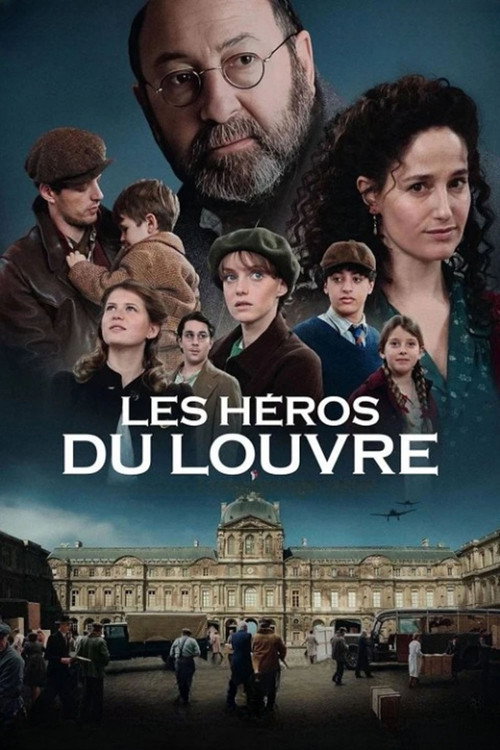
Les Héros du Louvre opens with the weight of institutional history, framing the Louvre not just as a museum but as a fortress of Western civilization under siege. The film’s argument is clear: the preservation of art is a moral imperative that supersedes individual survival. Kad Merad and Bernard Le Coq embody this duty, their competence measured by how much they can save before the regime takes it all. The camera loves the men who risk everything for the collection, treating their sacrifice as the highest form of patriotism. The sold meaning is one of heroic endurance. The Jewish characters, Babi Maklouf and Elie, are not just victims but active participants in this rescue, their identity adding a layer of personal stakes to the national crisis. The film does not shy away from the specific threat to Jewish life, but it frames this threat within a broader narrative of cultural survival. The ending likely settles on the idea that what was saved matters more than who was lost, a verdict that honors the institution over the individual. Contradictions arise in the treatment of gender. The women in the film, Lucie and Yvette, are present but peripheral, their roles defined by their relationship to the men. They are not the ones making the hard choices or bearing the burden of the art; they are the emotional cost of the men’s heroism. This traditional framing is unremarkable for a historical drama of this type, but it does limit the film’s scope. The narrative is ultimately about men saving the world’s heritage, with women and other identities serving as the backdrop against which that heroism is measured. The final image is one of quiet triumph, the art secured, the institution intact. It is a conservative ending, affirming the value of tradition and hierarchy. The film does not challenge the status quo; it reinforces it, suggesting that the preservation of the past is the best way to honor the present.
Category Breakdown
No queer characters or same-sex intimacy appear. The narrative relies exclusively on heterosexual pairings and familial bonds during the war.
Women serve as emotional anchors rather than active agents in the art-saving plot. Male heroism is the default, with female roles defined by proximity to the men.
Jewish characters Babi Maklouf and Elie are central to the plot, reflecting the historical focus on art dealers. Their presence is integral to the conflict with occupying forces.
The Louvre is framed as a fortress of Western civilization. Faith and family act as stabilizing forces, while institutional authority is treated as the ultimate moral good.
No disabled characters or impairments are depicted. The narrative does not engage with disability as a theme or character trait.
Present on Screen
Limited or Absent
2007
1963
1954

2010
2019
1955
1997

2005
No reviews yet. Be the first to share your thoughts on this movie!
Use the rating form above to leave a star rating and optional review.