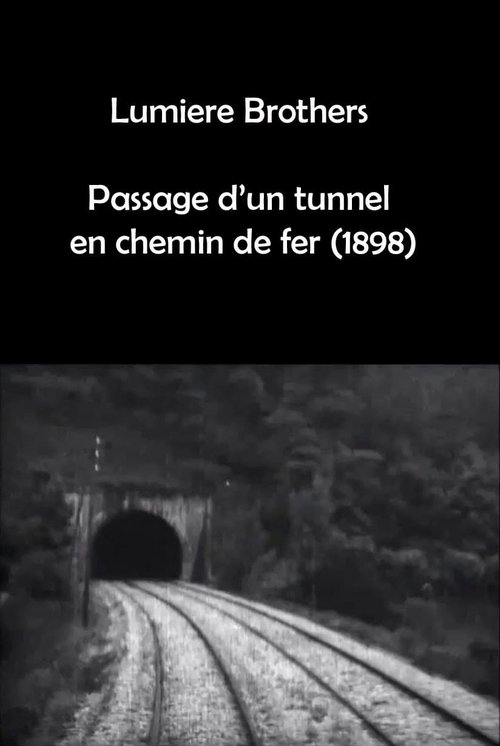
Passage d'un tunnel en chemin de fer
1898
No user ratings available yet
Representation score: 0.6 out of 10
Representation Score
Minimal
1896
Director
Auguste Lumière, Louis Lumière
Runtime
1 minutes
Average Rating
No ratings yetNew Showbiz Analysis
As a primitive 'actualité,' this documentary short functions primarily as a historical record of communal activity in Lyon. It lacks the narrative structure or character depth needed to engage with complex identity politics or systemic power dynamics. The film reflects the demographic and structural norms of the late 19th century. It provides a snapshot of social rituals without intentionally exploring diverse representation. Ultimately, the work serves as an observational artifact of early cinema, capturing a homogeneous social environment without modern sociopolitical subversion.
Category Breakdown
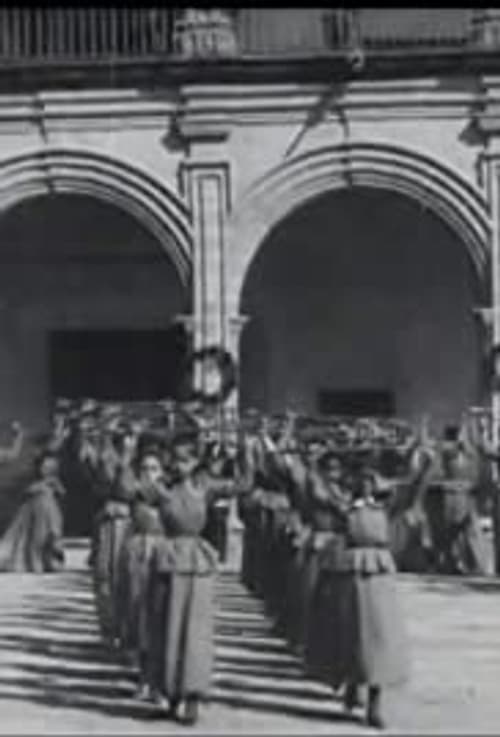
The film is a brief observational recording of students. There is no indication of LGBTQ+ identities or narratives challenging the assumption that everyone is straight or cisgender.
The footage depicts a group of students in a recreational setting. It captures gendered social interactions typical of late 19th-century France without challenging traditional hierarchies.
Consistent with the historical context of 1896 Lyon, the cast appears largely homogeneous. There is no visible evidence of racial diversity or diverse casting.
The film depicts a traditional institutional setting. It captures a standard social ritual of the period without deconstructing Western institutions.
There is no discernible evidence of characters with visible or invisible disabilities being portrayed with real power or as plot devices.
Present on Screen
Limited or Absent
Official Synopsis
Students in Lyon.
1898

2002
1896
1897

1897
1896
1897
1898
No reviews yet. Be the first to share your thoughts on this movie!
Use the rating form above to leave a star rating and optional review.