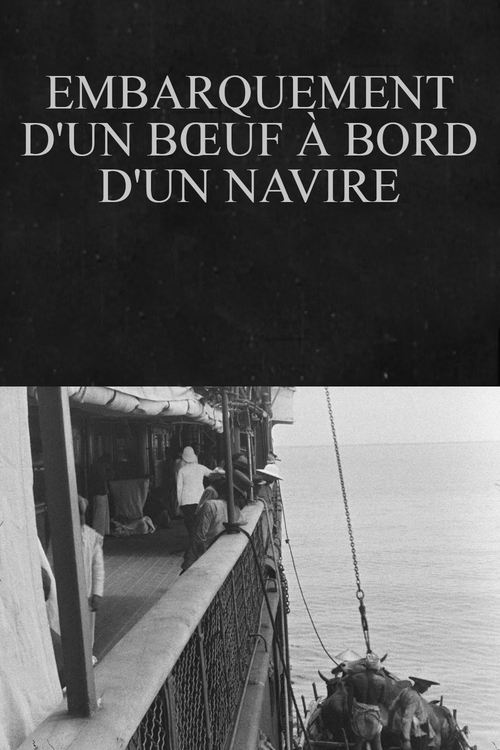
Embarquement d'un bœuf à bord d'un navire
1899
No user ratings available yet
Representation score: 0.3 out of 10
Representation Score
Minimal
1896
Director
Gabriel Veyre
Runtime
1 minutes
Average Rating
No ratings yetNew Showbiz Analysis
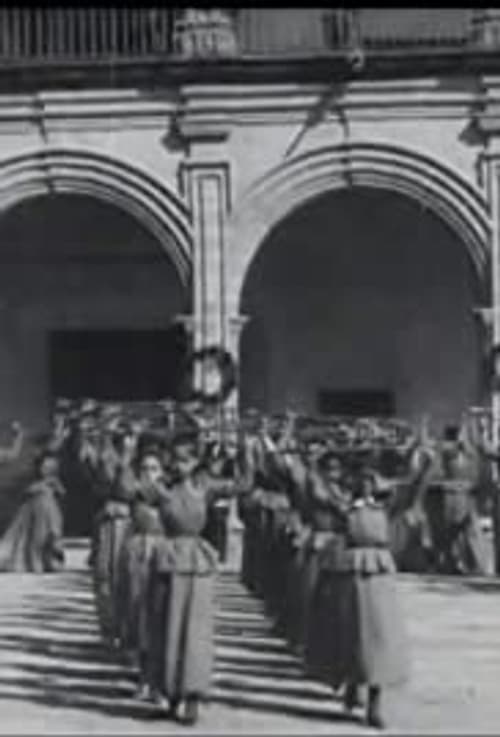
This 1896 documentary primarily serves as a visual record of late 19th-century social structures. While it provides visibility to women within an institutional setting, the content remains deeply rooted in the period's traditional hierarchies and homogeneity. The film lacks any meaningful representation of LGBTQ+ identities, racial diversity, or disability. It acts as a mirror to the era's social decorum, reinforcing established Western norms rather than challenging them. Ultimately, the work is a historical artifact of a highly structured and uniform society, offering little in the way of modern storytelling that reflects multiple aspects of identity or social subversion.
Category Breakdown
The film does not include explicit representations of LGBTQ+ identities or same-sex relationships. There is no evidence of queer individuals taking control or acting independently, nor does it challenge the assumption that everyone is straight or cisgender.
Women play key roles in the film, providing visibility in a public, institutional setting. However, the depiction adheres to traditional social hierarchies and disciplined structures.
The cast appears ethnically homogeneous, reflecting the historical context of French educational institutions in 1896. There is no evidence of racial diversity or non-European identities.
The film reflects established Western institutional norms through a structured, disciplined environment. It serves to preserve contemporary social decorum rather than critique it.
There is no visible evidence of characters with physical or neurodivergent disabilities featured as central figures in the footage.
Present on Screen
Limited or Absent
1899

1896
1898

1897
1896
1898

1896
1898
No reviews yet. Be the first to share your thoughts on this movie!
Use the rating form above to leave a star rating and optional review.