
Pinkadilly Circus
1968
No user ratings available yet
Representation score: 0.2 out of 10
Representation Score
Minimal
1966
ApprovedDirector
Hawley Pratt
Runtime
6 minutes
Average Rating
No ratings yetNew Showbiz Analysis
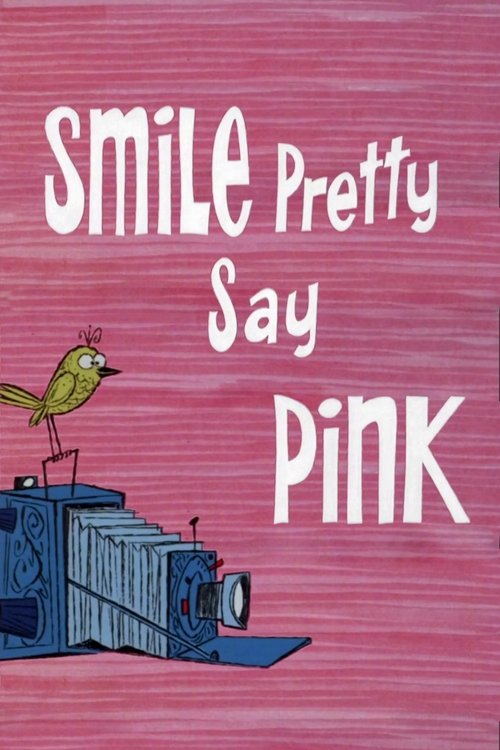
Smile Pretty, Say Pink is a conventional mid-century animated short that emphasizes physical humor over social depth. The narrative centers on a classic predator-versus-observer conflict between a panther and a photographer. The film does not make intentional efforts to include diverse identities or disrupt social hierarchies. Instead, it adheres to established comedic frameworks and archetypal character roles common to the Warner Bros. animation era. Ultimately, the work reflects a standard approach to 1960s animation, where situational conflict and slapstick retribution take precedence over nuanced representation or cultural deconstruction.
Category Breakdown
The film does not include any LGBTQ+ characters or non-straight relationships. The narrative centers on a typical animal-human interaction.
Characters such as the Panther and the Big Nose Man do not have significant gendered roles or subversion of power dynamics. The human character is portrayed using traditional, non-complex stereotypes.
There is no indication of a diverse cast or non-Anglo-Saxon characters. The Big Nose Man’s description relies heavily on physical caricature.
The story operates within a traditional Western framework focused on nature. It follows a standard moral arc of retribution that upholds traditional views of order.
No characters with visible or invisible disabilities are featured in the narrative. The focus remains on situational slapstick humor.
Present on Screen
Limited or Absent
Official Synopsis
At Pinkstone National Park, the Panther heckles a nature photographer (Big Nose Man) and ultimately gets what's coming to him.
1968
1968
1966
1967
1967
1967
1967
1967
No reviews yet. Be the first to share your thoughts on this movie!
Use the rating form above to leave a star rating and optional review.