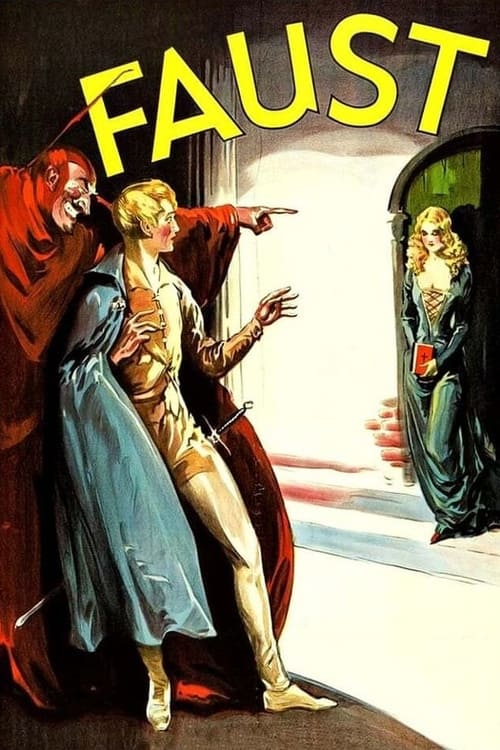
Faust
1926
No user ratings available yet
Representation score: 0.4 out of 10

Representation Score
Fair
2011
Not RatedDirector
Aleksandr Sokurov
Runtime
140 minutes
Average Rating
No ratings yetNew Showbiz Analysis
Sokurov’s *Faust* is a thoughtful, sensory exploration of mythic archetypes rather than a modern social commentary. It prioritizes philosophical questions and the human condition over identity-based narratives, leading to low scores for contemporary representation metrics. The film's strength lies in its intellectual depth, particularly its critique of rigid religious morality and traditional Western progress. By blurring the lines between the divine and the diabolical, it provides a nuanced cultural critique. However, the work remains tied to a homogeneous, European-centric historical aesthetic. This lack of diverse casting and the limited roles given to female characters prevent it from meeting modern standards of representation.
Category Breakdown
The film focuses on classical mythological figures without depicting non-traditional gender identities or same-sex relationships.
Female characters are portrayed as ethereal archetypes of beauty, but they do not have significant roles in driving the story according to modern standards.
The cast reflects a historically European-focused aesthetic, with a homogeneous landscape that does not include diverse casting.
The film critiques strict religious morality by portraying the Devil as an intelligent, weary figure. This offers a sophisticated look at Western cultural progress.
Physical frailty is used as a universal theme rather than exploring specific disabilities. No characters are shown with specific disabilities.
Present on Screen
Limited or Absent
Official Synopsis
A doctor in early 19th-century Germany becomes infatuated with the sister of a man he unintentionally killed and bargains with the Devil incarnate to conjure their union in exchange for his soul.
1926
1950
1986

2000
1986
2011
2005
2009
No reviews yet. Be the first to share your thoughts on this movie!
Use the rating form above to leave a star rating and optional review.