
Ponette
1996
No user ratings available yet
Representation score: 4.5 out of 10
Representation Score
Fair
1995
Director
Thomas Vinterberg
Runtime
37 minutes
Average Rating
No ratings yetNew Showbiz Analysis
The film is a localized, character-driven drama that emphasizes a specific Danish setting over a broad range of diversity. It lacks representation regarding race, gender, and sexuality, staying rooted in a traditional social framework. However, the film excels in its empathetic portrayal of psychological distress. By focusing on a child's unique coping mechanisms, it provides a deep understanding of trauma and social pressure. Ultimately, the work highlights social homogeneity, where the lack of diversity reflects its specific geographic and historical context.
Category Breakdown
The film focuses on a traditional Danish setting and does not include any LGBTQ+ characters or narratives that challenge the assumption that everyone is straight or cisgender.
The story follows conventional gender roles and domestic expectations. It does not challenge traditional gender hierarchies or the idea that men should have control over the story.
Set in a rural Danish village, the film features a very homogeneous cast. The narrative lacks diverse ethnic backgrounds, reflecting its specific historical and geographic context.
The story explores the tension between individuals and the community. It uses the protagonist's non-conformity to critique the rigidity of social norms within a localized setting.
The film looks at psychological trauma and behavioral issues in a nuanced way. It focuses on the internal reality and coping mechanisms of a child rather than using them as mere plot devices.
Present on Screen
Limited or Absent
Official Synopsis
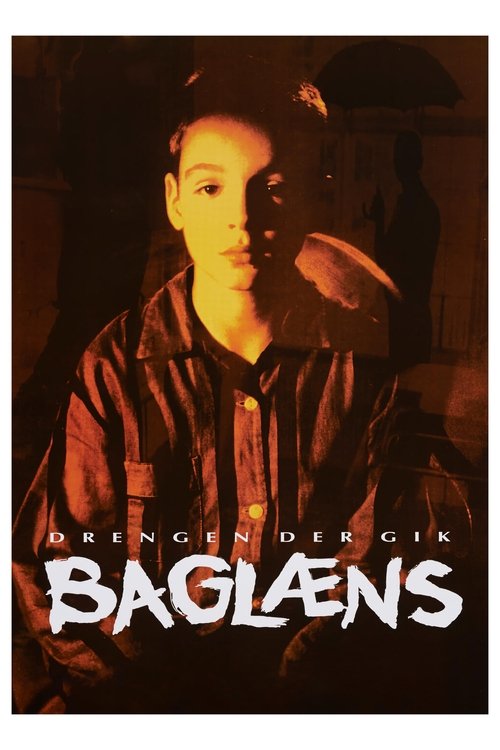
Nine-year old Andreas struggles to cope with the death of his beloved older brother, Mikkel, who is killed in a motorbike accident. Andreas' family moves shortly afterward to begin life anew, yet neither a new school nor the friends he makes can ease his enormous pain.
1996

2003

1998
2001
2005

2017
2006

2004
No reviews yet. Be the first to share your thoughts on this movie!
Use the rating form above to leave a star rating and optional review.