A Father for Brittany
1998
No user ratings available yet
Representation score: 3.1 out of 10
Representation Score
Fair
2010
Director
D. David Morin
Runtime
88 minutes
Average Rating
No ratings yetNew Showbiz Analysis
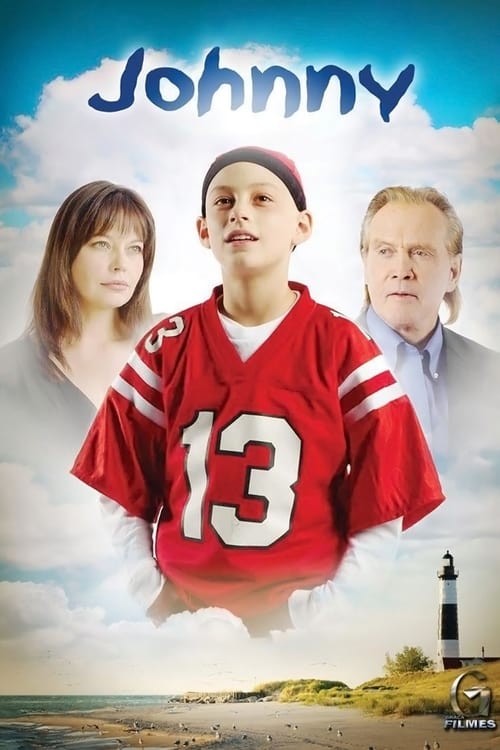
Johnny is a conventional domestic drama that prioritizes individual emotional healing over systemic critique. While it avoids the most reductive clichés of disability by giving a terminally ill character a sense of purpose, the narrative remains anchored in traditional social structures. The film relies heavily on established archetypes, particularly regarding gender and family dynamics. The central conflict follows a standard trajectory of a male protagonist seeking to mend a fractured household, offering little challenge to traditional roles. Ultimately, the lack of complexity or racial diversity keeps the film within a narrow, homogeneous scope. It functions as a character study of grief rather than a progressive exploration of diverse identities.
Category Breakdown
The film centers on a traditional nuclear family structure and does not include any LGBTQ+ characters or narratives about non-straight relationships.
The story uses traditional gender roles where the male character is the main driver of change, while the female character is defined by emotional withdrawal.
The narrative seems to focus on a homogeneous, middle-class experience without mentioning multi-ethnic integration or a diverse cast.
The film emphasizes restorative moral frameworks and familial themes but lacks a critique of Western institutions such as the medical profession or the nuclear family.
Johnny’s struggle with leukemia provides a meaningful look at physical illness. His sense of purpose avoids simple tragedy, though the representation is limited to one character.
Present on Screen
Limited or Absent
Official Synopsis
When Dr. Drew Carter tragically loses his ten-year old son in a car accident, he didn’t expect to lose his whole family as well. Since the accident, his wife (Julia) has become emotionally absent towards him and their daughter. When Johnny, a terminally ill foster child with leukemia, is referred to Drew he sees a chance to heal his family. With Julia against the idea, Drew takes matters into his own hands and adopts Johnny. Johnny doesn’t know what he is in for, but believes he is here for a special mission.
1998
2017

2012

2011

2013

2011

2014
1995
No reviews yet. Be the first to share your thoughts on this movie!
Use the rating form above to leave a star rating and optional review.