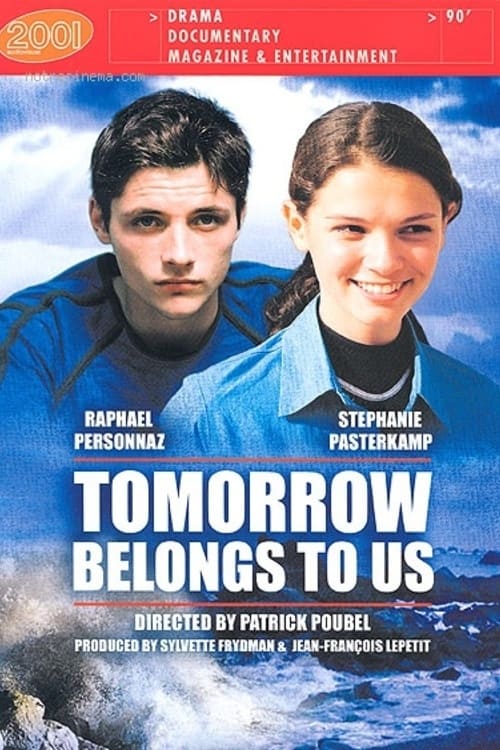
Tomorrow Belongs to Us
2003
No user ratings available yet
Representation score: 4.9 out of 10

Representation Score
Fair
2005
Director
Riki Okamura
Runtime
98 minutes
Average Rating
No ratings yetNew Showbiz Analysis
1 Litre of Tears is a specialized biographical drama that prioritizes medical realism and familial cohesion. It excels in providing a nuanced, dignified portrayal of chronic illness that avoids common clichés of passive victimhood. While the film offers a detailed and empowering perspective on disability, it lacks diverse representation. The narrative adheres to a traditional framework and a localized, ethnically homogeneous setting. Ultimately, the work is a focused study of individual resilience within a traditional social structure, rather than a piece of social subversion.
Category Breakdown
The film does not include any non-cisgender identities or critique of the assumption that everyone is straight. It focuses solely on biological and familial realities.
Aya is a strong female character who drives the story through her psychological strength. However, the film maintains traditional familial structures.
The cast and setting are ethnically uniform, reflecting a specific Japanese context. It functions as a localized biographical drama without multicultural casting.
The story emphasizes traditional familial devotion and the importance of social support systems and medical institutions.
The film offers a detailed, empowering look at the loss of autonomy caused by Multiple Sclerosis. It portrays the protagonist as a central agent, avoiding sentimentality.
Present on Screen
Limited or Absent
Official Synopsis
15-year-old Aya Kito was an ordinary girl, the daughter of a family who works at a tofu shop, and a soon-to-be high schooler. However, odd things have been happening to Aya lately. She has been falling down often and walks strange. Her mother, Shioka, takes Aya to see the doctor. How will Aya react when told about her disease? And how will Aya live from now on?
2003

2009

2007

2017

2023

2001

2019

2005
No reviews yet. Be the first to share your thoughts on this movie!
Use the rating form above to leave a star rating and optional review.