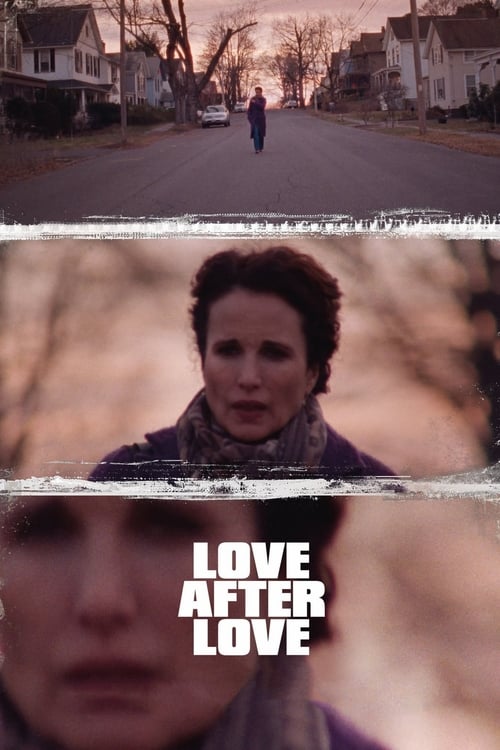
Love After Love
2018
No user ratings available yet
Representation score: 3.1 out of 10
Representation Score
Limited
2018
Not RatedDirector
Joshua Leonard
Runtime
80 minutes
Average Rating
No ratings yetNew Showbiz Analysis
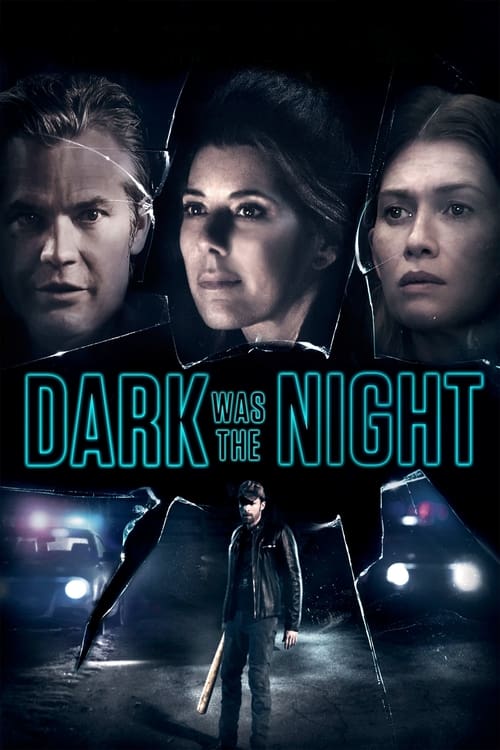
Dark Was the Night is a character-driven drama that emphasizes psychological realism over social commentary. It offers a detailed look at grief and isolation within a rural context. The film effectively explores mental health and psychological distress, providing a degree of representation for those dealing with such issues. However, its scope is limited to individual experiences and does not address broader social identities. Overall, the film lacks the demographic diversity and structural complexity needed to challenge traditional cinematic norms. It remains a conventional narrative centered on individual resilience rather than multi-layered identity.
Category Breakdown
The film does not include any LGBTQ+ characters. It focuses on the psychological impact of tragedy within a traditional family structure.
Gender roles follow typical dramatic conventions. A woman and her son play key roles, but the film does not challenge traditional gender hierarchies or archetypes.
Set in a remote rural area, the film features a predominantly white cast. There is no indication of a multi-ethnic or racially diverse cast.
The story avoids direct ideological messages or critiques of Western institutions. It focuses on the universal experience of grief without addressing broader systemic issues.
The film centers on mental health and the challenges of trauma. It gives characters experiencing psychological distress a significant role, but it may rely on suffering as a plot device.
Present on Screen
Limited or Absent
Official Synopsis
In the aftermath of tragedy, a woman and her teenage son must forge into uncharted territory in order to move on with their lives.
2018

2018
2017

2014

2013

2015

2016

2023
No reviews yet. Be the first to share your thoughts on this movie!
Use the rating form above to leave a star rating and optional review.