
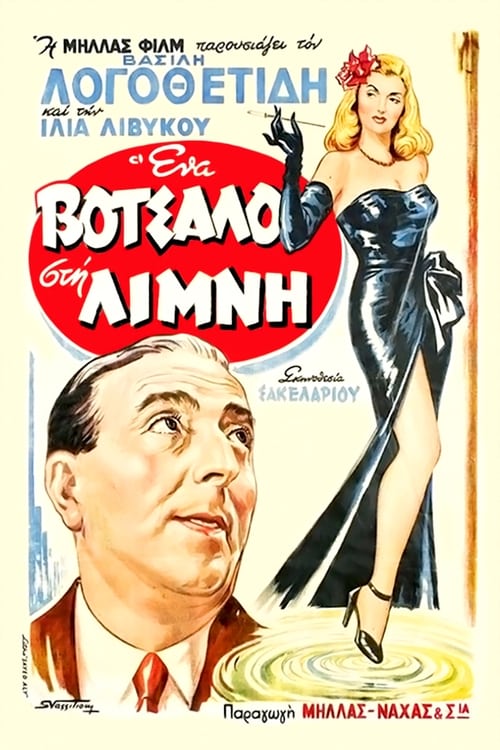
The Auntie from Chicago
1957
No user ratings available yet
Representation score: 3.7 out of 10
Representation Score
Minimal
1952
Director
Alekos Sakellarios
Runtime
102 minutes
Average Rating
No ratings yetNew Showbiz Analysis
A Ripple in the Pond is a mid-century domestic comedy that examines social customs. The plot hinges on the clash between personal indiscretions and family responsibilities, using well-known clichés of infidelity and social embarrassment. Though the film introduces a sense of modernity through its nightclub setting and diaspora characters, it remains committed to preserving traditional social structures. It does not aim to challenge established hierarchies or give voice to underrepresented groups. Overall, the film reflects the era's emphasis on upholding domestic respectability and the sanctity of the family unit, rather than providing a critical examination of societal norms.
Category Breakdown
The film includes a male companion named Giorgos, but their relationship seems to be based on friendship rather than a queer identity. There is no clear depiction of non-straight relationships.
Gender roles in the film reflect mid-century norms, where men lead the conflict through actions that break rules, while women like Veta and Evelyn mainly support the household and receive the protagonist's deceptions.
The inclusion of Greek-American characters adds a cosmopolitan touch to the Greek social scene. This highlights the intersection of Greek heritage with Western culture.
The story centers on traditional Mediterranean values, emphasizing family stability and social standing. It prioritizes restoring social harmony over questioning marriage or family traditions.
There are no characters with visible or invisible disabilities mentioned in the narrative.
Present on Screen
Limited or Absent
Official Synopsis
A peaceful, though extremely mean, family man, Manolis, is married for ten years to Veta. Some night he spends an astronomical amount of money at a night club, with his partner Giorgos and two pretty and cheerful Greek-American girls, Margaret and Evelyn. However, to his bad luck, Evelyn is no other but Vangelitsa, his wife’s cousin, who visits the next day for lunch.
1957
1957
1968
1959
1961

1955
1959

1960
No reviews yet. Be the first to share your thoughts on this movie!
Use the rating form above to leave a star rating and optional review.