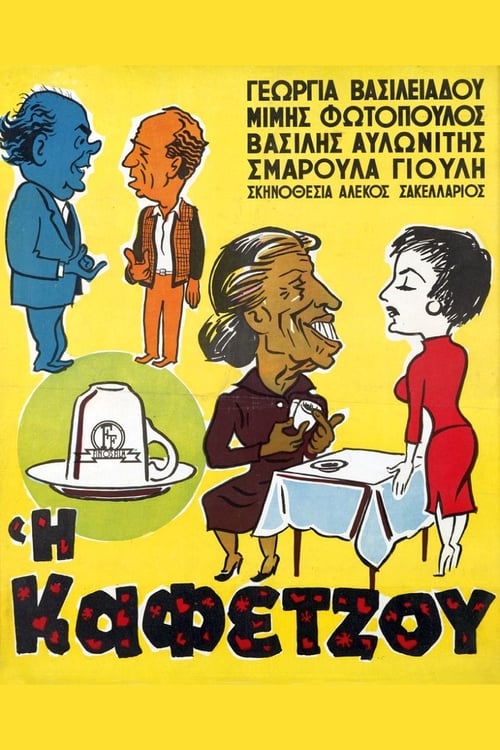
The Coffee Reader
1956
No user ratings available yet
Representation score: 3.0 out of 10
Representation Score
Minimal
1968
Director
Alekos Sakellarios
Runtime
80 minutes
Average Rating
No ratings yetNew Showbiz Analysis
Set in 1968 Greece, the film focuses on domestic comedy and the disruption of a rigid patriarchal household. While it lacks modern multi-layered complexity, it offers a moderate challenge to gender hierarchies through the female lead's influence on the family structure. Representation is limited by the era's social constraints. The cast reflects a homogeneous Mediterranean society, and the narrative focuses on traditional family dynamics rather than diverse demographic inclusion. Ultimately, the film serves as a study of shifting domestic power, moving from a static, grief-driven status quo toward a more negotiated arrangement.
Category Breakdown
The film does not include any representation of LGBTQ+ identities. The narrative stays within traditional romantic and familial structures.
Mary’s role as a housekeeper shifts power dynamics. Her influence brings calm to a chaotic household, subtly challenging the protagonist's initial patriarchal control.
The setting reflects a homogeneous Mediterranean society. There is no evidence of racial blending or non-local ethnic diversity among the cast.
The story explores the tension between traditional mourning practices and social reintegration. It looks at the breakdown of discipline within the nuclear family unit.
There is no evidence regarding the portrayal of physical or neurodivergent disabilities in this work.
Present on Screen
Limited or Absent
Official Synopsis
Leonidas Petrohilos (Lambros Konstantaras), a widower with three master unruly children, Kimon (Paul Liaros), Andreas (Thanassis Papadopoulos) and dad (Vangelis Ioannidis), still loves his first wife and refuses to remarry. His friend Xenophon (Stavros Xenidis) recommends Mary's (Maro Kondou) atychisasa a lady who needs to work. Leonidas hires Mary as housekeeper and serenity comes home. But until Leonidas understand that it is intended for rigged plot has good bite on the plate ...
1956

1966
1967
1959

1966
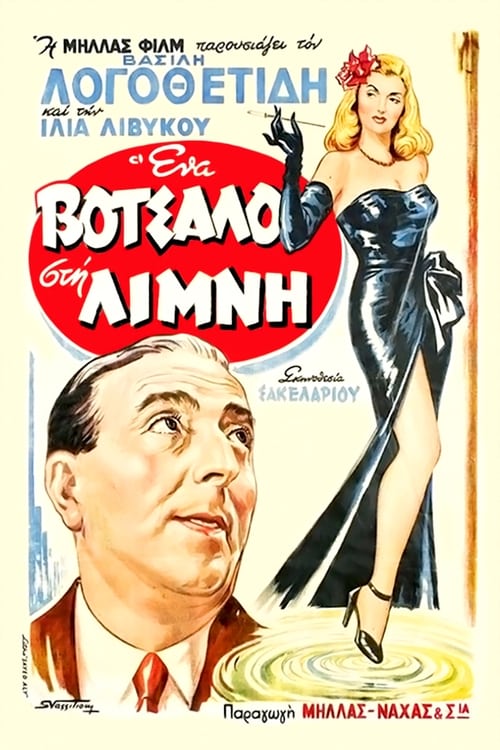
1952
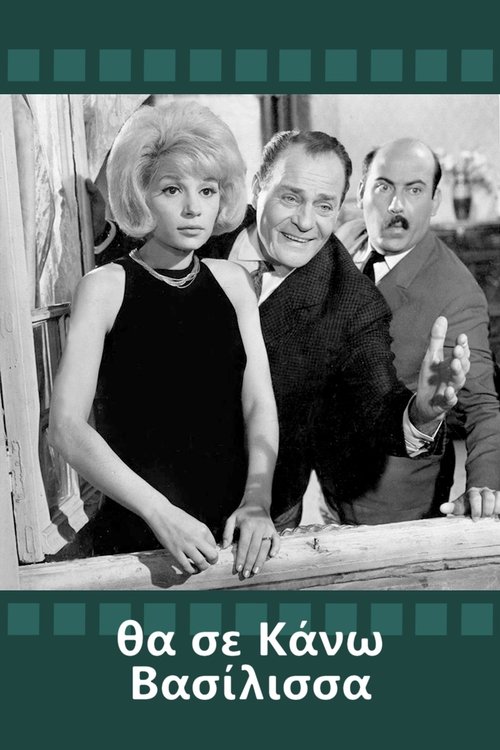
1964
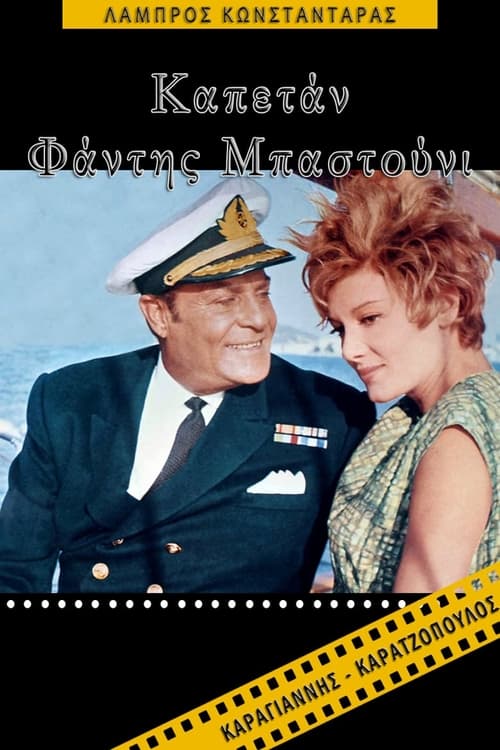
1968
No reviews yet. Be the first to share your thoughts on this movie!
Use the rating form above to leave a star rating and optional review.