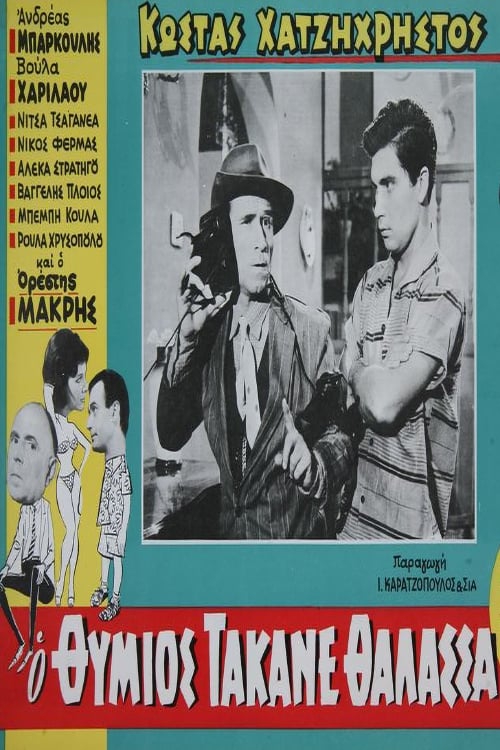
O Thymios takane thalassa
1959
No user ratings available yet
Representation score: 2.1 out of 10
Representation Score
Minimal
1955
Director
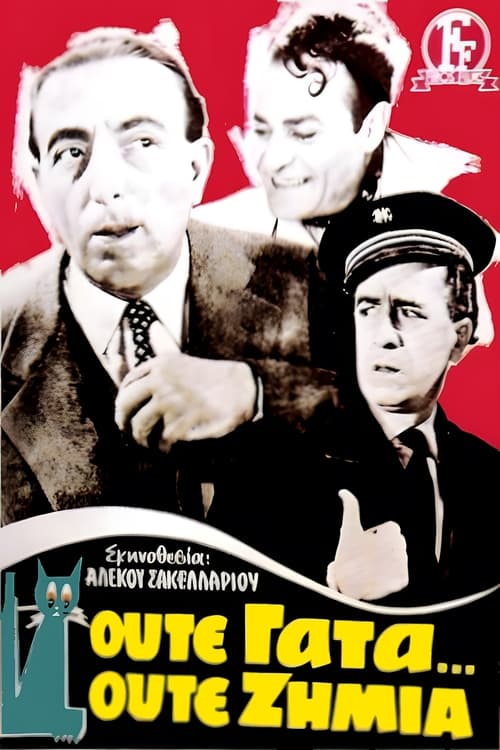
Alekos Sakellarios
Runtime
85 minutes
Average Rating
No ratings yetNew Showbiz Analysis
No Harm's Done is a quintessential product of the 1950s Greek Golden Age, focusing on situational irony and domestic comedy. The narrative relies heavily on established social hierarchies and traditional marital structures to drive its humor. The film lacks diversity in almost every category, presenting a culturally singular and homogeneous environment. It reinforces the social mores of its time rather than attempting to deconstruct or subvert them. Ultimately, the film serves as a window into mid-century Mediterranean domesticity, where the primary conflicts arise from infidelity and the preservation of community standards.
Category Breakdown
The film focuses on a traditional storyline involving a husband, his wife, and a mistress. It does not include any characters with LGBTQ+ identities or narratives that challenge heteronormativity.
The wife demonstrates significant control by choosing a new partner, but the plot is driven by the husband's actions. The power dynamics reflect those of mid-century social hierarchies.
The story takes place in a localized Greek setting with a homogeneous population. There is no evidence of diverse ethnic or racial casting.
The narrative emphasizes traditional social values and domestic structures. It functions as a social comedy centered around marriage and the consequences of social transgressions.
There is no depiction of characters with visible or invisible disabilities. Characters adhere to standard physical and cognitive norms for comedic archetypes of the era.
Present on Screen
Limited or Absent
Official Synopsis
Lalakis is married with Poppe. He goes on a trip to Salonique by train, with his mistress, pretending that he has business there to attend. After his wife found out the truth about the motive of her husbands trip, finally accepts the proposition of Nikos, a man who was in love with her for a long time, and they go to a little village called Thyrassia, which has also a train station. By accident Lalakis and his mistress get down at the same station just to rest a bit but they manage somehow to lose the train. The train station manager hosts both of the couples at his house for the night and unfortunately introduces everybody..
1959
1976
1964

1952
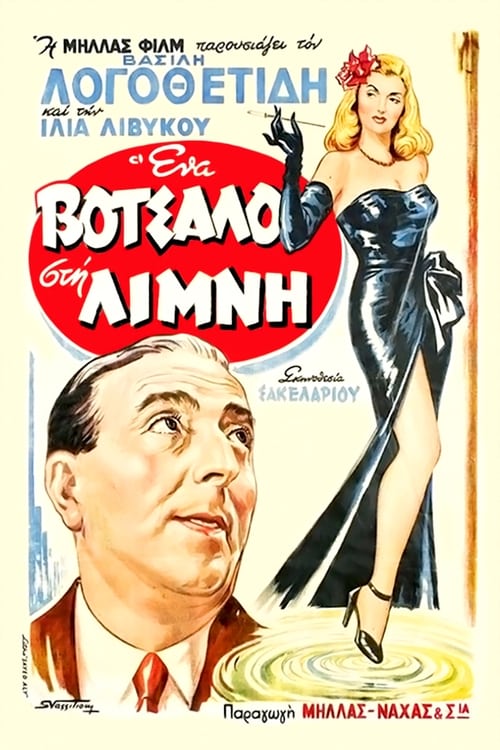
1952

1962
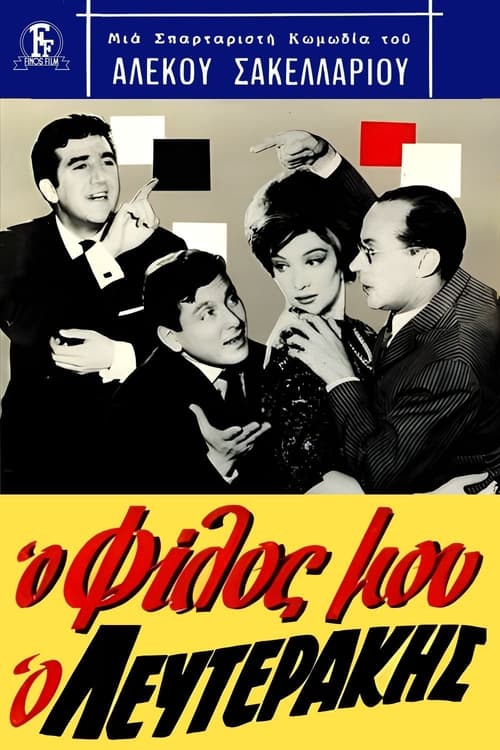
1963
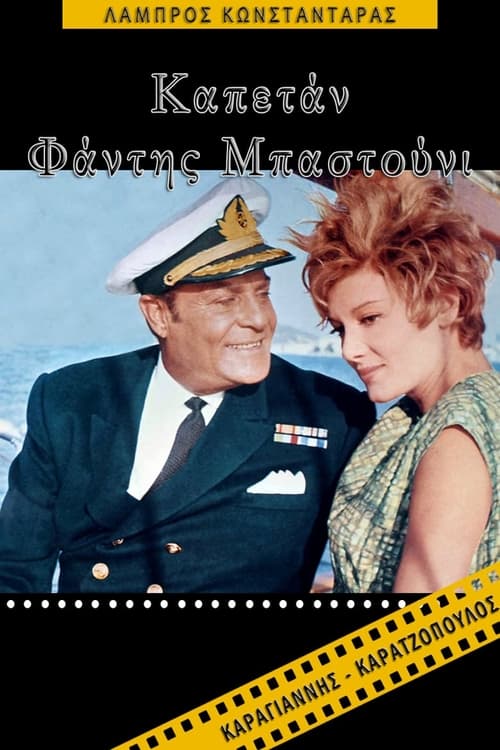
1968
No reviews yet. Be the first to share your thoughts on this movie!
Use the rating form above to leave a star rating and optional review.