
A Young Miss... Aged 39
1954
No user ratings available yet
Representation score: 1.1 out of 10

Representation Score
Limited
1968
Director
Alekos Sakellarios
Runtime
91 minutes
Average Rating
No ratings yetNew Showbiz Analysis
Greek Pride serves as a cultural artifact that emphasizes traditional social hierarchies and domestic stability. The film captures the social pressures of 1960s Greece through a lens of conventionality. While the comedy explores familial obligations, it reinforces established norms rather than challenging them. The narrative structure adheres to strict expectations regarding marriage, gender roles, and ethnic homogeneity. Ultimately, the film functions as a localized study of Mediterranean values, offering little disruption to the societal status quo of its era.
Category Breakdown
The film does not include any LGBTQ+ characters or identities that go beyond the assumption that everyone is straight or cisgender. The story centers on traditional heterosexual relationships and societal pressure to formalize these unions.
Female characters play a significant role in driving the plot's tension, but they operate within strict gender hierarchies. The central conflict revolves around domestic status and conventional matrimonial expectations.
The film reflects the demographic homogeneity of 1968 Greece. There is no indication of a multi-ethnic cast or identities outside the Mediterranean context.
The story is deeply rooted in traditional Mediterranean social structures, emphasizing family cohesion and the preservation of social norms over secularism or institutional deconstruction.
There is no mention of characters with visible or invisible disabilities within the narrative.
Present on Screen
Limited or Absent
Official Synopsis
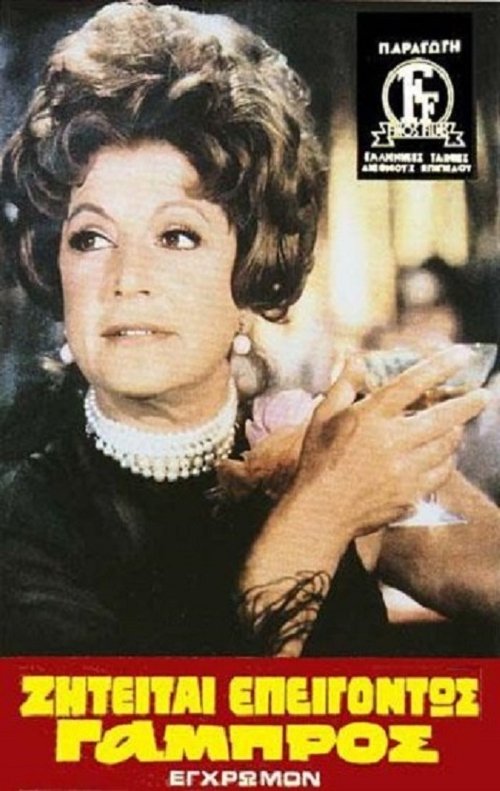
Tilemachos has been for many years now engaged to Fofo, who is pressuring him to get married. But he first wants to marry off his sister, who has passed “the usual” age for marriage. Tilemachos is desperate, and he decides to find a husband for his sister by advertising in the newspapers.
1954

1978
1971
2006
1969
1962
1957
1953
No reviews yet. Be the first to share your thoughts on this movie!
Use the rating form above to leave a star rating and optional review.