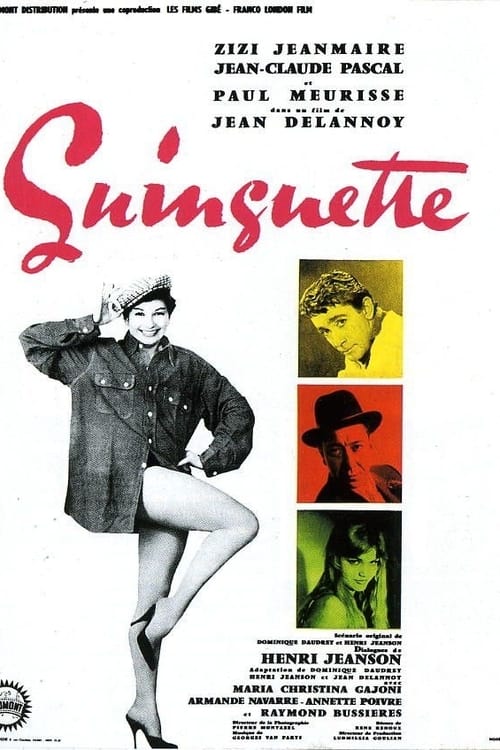
Guinguette
1959
No user ratings available yet
Representation score: 3.1 out of 10
Representation Score
Fair
1951
K-16Director
Jean Anouilh, Michel Boisrond
Runtime
98 minutes
Average Rating
No ratings yetNew Showbiz Analysis
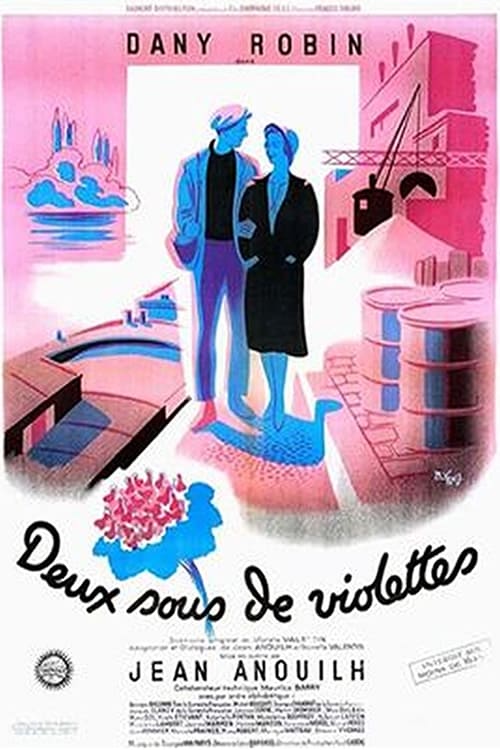
Two Pennies Worth of Violets is a character-driven drama that critiques societal norms. While it lacks racial and LGBTQ+ diversity, it offers a nuanced exploration of how broader social pressures affect personal freedom. The narrative goes beyond simple moral stories by showing a protagonist battling against a world designed to undermine her integrity. This focus on the individual versus the 'conspiracy' of respectability provides a sophisticated view of social structures. Ultimately, the film's strength lies in its challenge to traditional gender power dynamics and its deconstruction of middle-class morality, even within a historically homogeneous context.
Category Breakdown
The film does not depict non-straight relationships or same-sex intimacy. It follows a traditional love story focused on seduction and abandonment.
Thérèse challenges traditional gender roles by navigating a world that tries to limit her independence. The story highlights characters who exploit and abandon her, representing predatory masculine power.
Set in 1951 France, the film seems to show a uniform population without multi-layered racial diversity or diverse casting norms.
The film criticizes traditional social institutions and 'false respectability.' It portrays the family as a conspiracy rather than a supportive unit.
There are no visible or mentioned depictions of physical or neurodivergent disabilities in the story.
Present on Screen
Limited or Absent
Official Synopsis
Thérèse, a young flower girl, tries hard to remain virtuous but the whole world seems to conspire against her, whether her petty Paris family, or her relatives in the province bristling with false respectability, or her lustful employer, or the boy she loves who seduces her and abandons her. But at the end of the day there is Yvon, her childhood friend. Will he be the one that will love her truly?
1959

1961
1942

1938
1967
1927
2006

1963
No reviews yet. Be the first to share your thoughts on this movie!
Use the rating form above to leave a star rating and optional review.