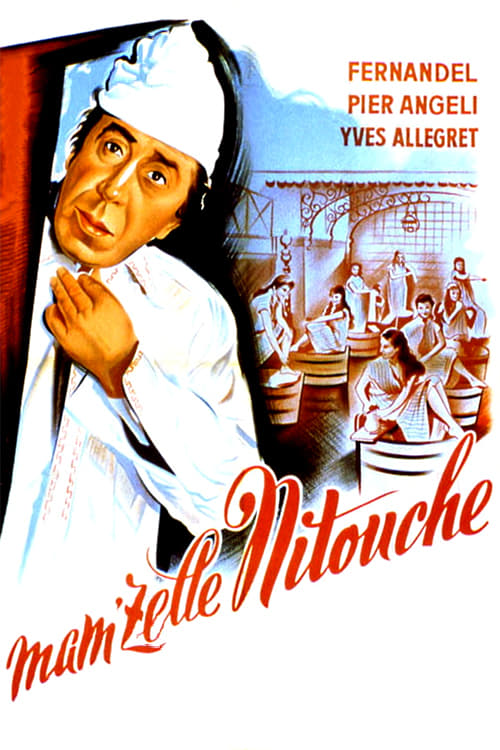
Mademoiselle Nitouche
1954
No user ratings available yet
Representation score: 3.3 out of 10

Representation Score
Limited
1976
Director
Leonid Kvinikhidze
Runtime
126 minutes
Average Rating
No ratings yetNew Showbiz Analysis
Heavenly Swallows is a classic romantic comedy of errors that finds its strength in lighthearted social deconstruction. The film offers moderate subversion of gendered roles through Denise's adaptability and her ability to navigate masculine spaces. However, the work remains anchored in traditional romantic clichés and a highly homogeneous cultural perspective. The narrative lacks diversity in terms of race and LGBTQ+ identities, focusing instead on a Eurocentric, straight-centered romantic structure. Ultimately, the film's progressive value lies in its disruption of religious and social decorum rather than a deep interrogation of identity politics.
Category Breakdown
The film focuses on a romantic triangle involving a convent student, an organist, and his mistress. It operates within a traditional framework that assumes everyone is straight or cisgender, with no evidence of same-sex intimacy.
Denise demonstrates a significant role in driving the story by infiltrating a male-dominated military environment. Her ability to navigate these spaces challenges standard depictions of female passivity by taking a leading, active role.
The setting and character names suggest a homogeneous Western European milieu. There is no evidence of racial blending or non-white characters in positions of power.
The story explores the subversion of religious institutions as a student escapes her convent. However, the resolution follows a traditional, restorative comedic structure rather than a systemic critique.
There are no identifiable characters portrayed with physical or neurodivergent disabilities in the narrative.
Present on Screen
Limited or Absent
Official Synopsis
Denise de Flavigny, a young convent student, discovers a double-life of the organist Célestin, who teaches her music at the convent. He secretly composes popular operettas for his mistress Corinne. Célestin visits the city to witness the premiere of his latest effort; Denise escapes the convent as well. Following a quarrel with Célestin, Corinne walks out and instead, Denise appears in her role, taking the name Mam'zelle Nitouche. Denise falls in love with Fernand, a handsome young soldier. Both Denise and Célestin are mistaken for soldiers absent without leave and shipped off to an army camp. A series of coincidences brings happiness to all concerned.
No reviews yet. Be the first to share your thoughts on this movie!
Use the rating form above to leave a star rating and optional review.