We Were Here
2011
No user ratings available yet
Representation score: 9.4 out of 10
Representation Score
Excellent
2004
Director
Jeffrey Schwarz
Runtime
58 minutes
Average Rating
No ratings yetNew Showbiz Analysis
This documentary provides a sophisticated retrospective on how mainstream cinema intersects with the HIV/AIDS crisis. It excels by centering queer ability to act and the political struggle for dignity, moving beyond simple inclusion to analyze systemic challenges. The film's strength lies in its multi-layered approach, acknowledging how race and social status influenced the epidemic's impact. It avoids exploitative clichés regarding illness, instead framing the crisis through a lens of human rights and social justice. While the focus remains heavily on sexual orientation, the film offers meaningful critiques of the institutional and religious frameworks that fueled social stigma.
Category Breakdown
The documentary centers on the political struggles and lived experiences of the LGBTQ+ community. It examines the fight against stigma and the importance of visibility during the AIDS epidemic.
The film explores how traditional hierarchies and gendered social stigmas influenced the reception of the original movie. However, it focuses more on queer identity than on deconstructing gendered power structures.
The narrative acknowledges how race and socioeconomic status intersected with the AIDS crisis. It examines how underrepresented identities interact with dominant social structures and systemic institutional failures.
The film critiques how religious and social frameworks contributed to the exclusion of those with HIV/AIDS. It prioritizes a narrative of social justice and the deconstruction of traditional morality.
The documentary treats the physical and social realities of chronic illness with dignity. It focuses on human rights and political dimensions rather than treating illness as a source of pity.
Present on Screen
Limited or Absent
Official Synopsis
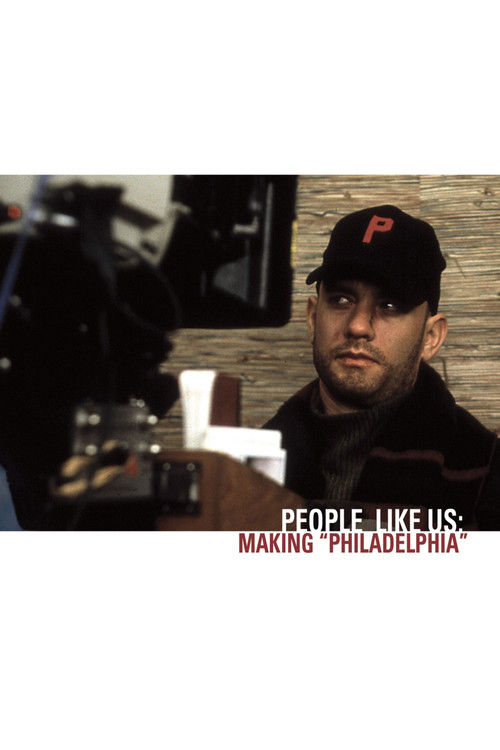
10 years after the release of "Philadelphia," director Jonathan Demme, Tom Hanks, Denzel Washington and others discuss about the making of that film and it's important legacy through the years of being the first mainstream Hollywood film about dealing with the topic of Aids, revealing its impact on culture and society. Cast and crew talk about the inception of the project, the making of it and curious stories about one of the greatest hits of 1993.
2011
1984
2011
1996
2011

1993
2013

2020
No reviews yet. Be the first to share your thoughts on this movie!
Use the rating form above to leave a star rating and optional review.