Making the Boys
2011
No user ratings available yet
Representation score: 8.6 out of 10
Representation Score
Excellent
2011
Not RatedDirector
Jeffrey Schwarz
Runtime
93 minutes
Average Rating
No ratings yetNew Showbiz Analysis
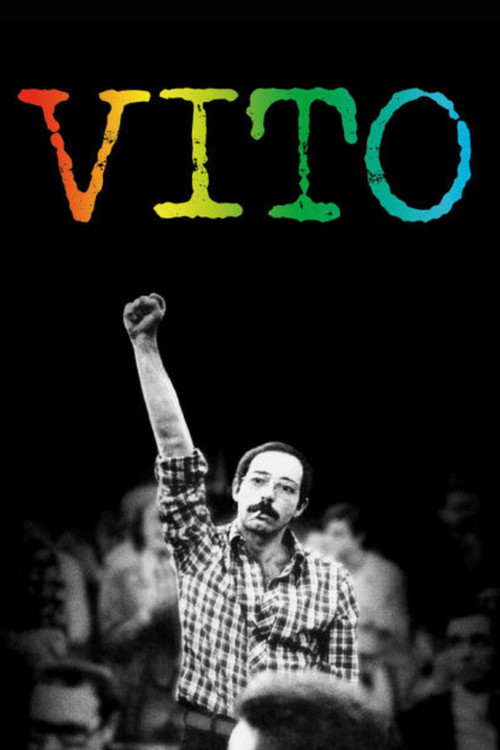
Vito is a powerful work that connects cinematic criticism with the lived political reality of its subject. By focusing on a figure who challenged the very media clichés the film examines, it achieves significant intellectual depth. The documentary excels in its portrayal of LGBTQ+ ability to act and its insightful commentary on representation. It effectively documents the evolution from the Stonewall uprising to the organized resistance of the ACT UP era. However, the film remains somewhat constrained by its male-centric focus. While it acknowledges the multi-ethnic context of the AIDS crisis, the narrative primarily follows a male-driven political history.
Category Breakdown
The film offers a deep biographical study of Vito Russo, a key figure in LGBTQ+ activism. It emphasizes Russo's role in shaping modern queer visibility by highlighting his critical influence.
The story is mainly centered around male-driven political history. While Russo's critiques shed light on gendered expectations, the film does not give much attention to female-led perspectives.
The documentary places Russo's activism within broader, multi-ethnic social movements. It recognizes the systemic pressures faced by various underrepresented groups during the AIDS crisis.
The film underscores the importance of grassroots, anti-establishment activism. It validates the radical, non-conformist methods used by activists to demand human rights and community-led justice.
The film addresses the personal experiences of the AIDS crisis and chronic illness. It handles these physical vulnerabilities with dignity, focusing on political mobilization rather than pity.
Present on Screen
Limited or Absent
Official Synopsis
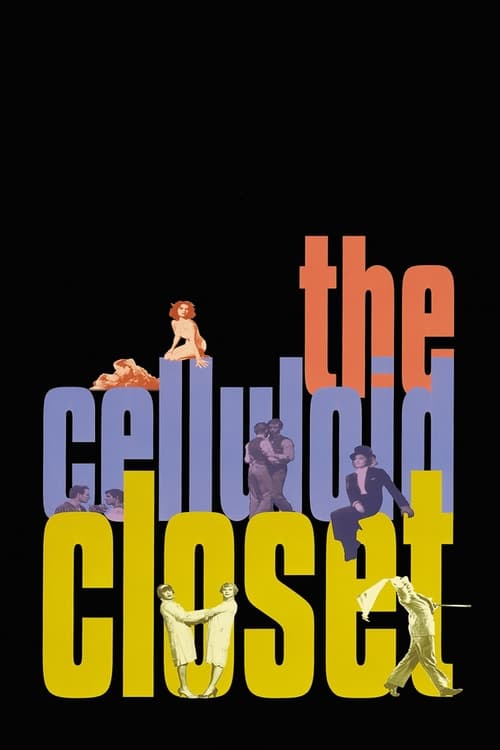
In the aftermath of Stonewall, a newly politicized Vito Russo found his voice as a gay activist and critic of LGBTQ+ representation in the media. He went on to write "The Celluloid Closet", the first book to critique Hollywood's portrayals of gays on screen. During the AIDS crisis in the 1980s, Vito became a passionate advocate for justice via the newly formed ACT UP, before his death in 1990.
2011
1984
1990

2017

2024
1996

2009

2021
No reviews yet. Be the first to share your thoughts on this movie!
Use the rating form above to leave a star rating and optional review.