We Were Here
2011
No user ratings available yet
Representation score: 9.4 out of 10
Representation Score
Excellent
2010
Director
Ira Sachs
Runtime
8 minutes
Average Rating
No ratings yetNew Showbiz Analysis
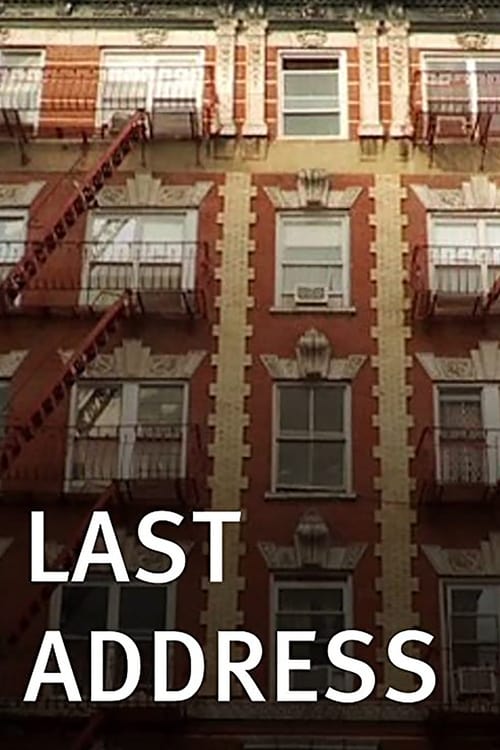
Last Address is a sophisticated documentary that uses New York City’s urban landscape to reconstruct a fragmented history. It centers the lived experiences and profound losses of the LGBTQ+ community, disrupting conventional historical narratives. The film’s strength lies in its elegiac tone and its ability to connect physical spaces to the identities of those who inhabited them. This approach elevates the subject matter from simple biography to a systemic study of a generation’s disappearance. However, the film’s focus remains tied to a specific era and subculture, reflecting the socioeconomic realities of the late 20th-century art world.
Category Breakdown
The film serves as a powerful tribute to the LGBTQ+ community affected by the AIDS crisis. By highlighting figures like Keith Haring and Robert Mapplethorpe, it turns urban spaces into places of remembrance.
The documentary challenges traditional views of masculinity by focusing on the lives of men who live outside the norm of heterosexual relationships. It provides a nuanced look at masculinity that isn't tied to traditional dominance.
The film focuses on the New York art scene of a specific time period. While it includes diverse voices, the subjects reflect the socioeconomic realities of that late 20th-century subculture.
The documentary emphasizes secular cultural memory over traditional religious institutions. It frames the loss of these artists as a systemic tragedy, emphasizing personal truths over mainstream frameworks.
The film addresses health and vulnerability through the lens of the AIDS epidemic. It treats the physical loss of these artists with dignity, focusing on their roles as creators.
Present on Screen
Limited or Absent
Official Synopsis
Keith Haring, Robert Mapplethorpe, Norman René, Peter Hujar, Ethyl Eichelberger, Felix Gonzalez-Torres, Cookie Mueller, Klaus Nomi... the list of New York artists who died of AIDS over the last 30 years is countless, and the loss immeasurable. In Last Address, filmmaker Ira Sachs, who first moved to the city himself in 1984, uses images of the exteriors of the houses, apartment buildings, and lofts where these and others were living at the time of their deaths to mark the disappearance of a generation. The elegaic film is both a remembrance of that loss, as well as an evocation of the continued presence of their work in our lives and culture.
2011
1984
2017
1978
2016

2017
1990
2022
No reviews yet. Be the first to share your thoughts on this movie!
Use the rating form above to leave a star rating and optional review.