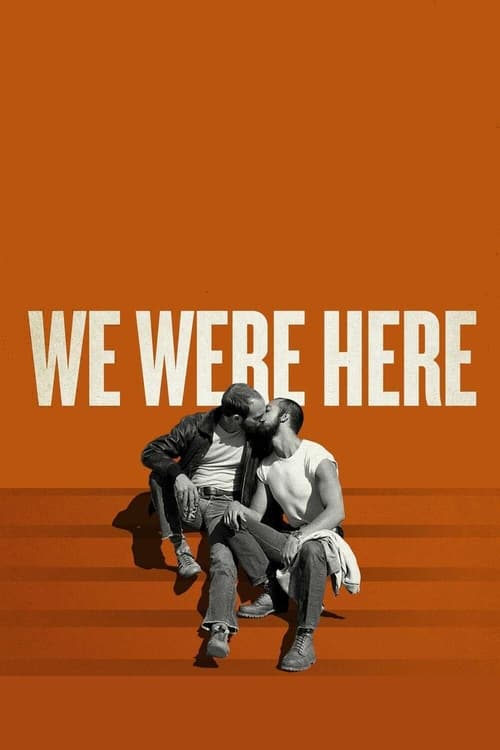
We Were Here
2011
No user ratings available yet
Diversity score: 8.0 out of 10

2016
Director
Barak Heymann, Tomer Heymann
Runtime
86 minutes
Average Rating
No ratings yetSynopsis
Saar is an HIV positive gay man living in London, where he found refuge from the religious kibbutz where he grew up in Israel. Ever since he was diagnosed with HIV, Saar has craved his family's love, while they struggle with fears and prejudices.
Overall Score
Good
Category Breakdown
LGBTQ+ Representation
The film centers entirely on queer lived experience through Saar's journey. It moves beyond superficial tropes to explore the complexities of non-heteronormative identities and intimacy.
Gender Representation
The narrative disrupts traditional patriarchal and religious hierarchies. It portrays the conventional family unit as a source of friction rather than a stable foundation.
Racial & Ethnic Diversity
The story focuses on a specific Israeli-to-London migration pattern. It examines the intersection of Middle Eastern heritage and Western queer identity through cultural displacement.
Religious & Cultural Diversity
The film critiques religious institutions as oppressive structures. It prioritizes personal liberation and subjective morality over adherence to traditional religious dogma.
Disability Representation
Living with HIV is portrayed with dignity and agency. The film integrates the medical reality into the protagonist's social struggle without resorting to inspiration porn.
Strengths
Areas for Improvement
AI Analysis
Who's Gonna Love Me Now? is a profound study of intersectionality, weaving together queer identity, chronic illness, and religious friction. By centering Saar's perspective, the film deconstructs the traditional nuclear family and examines how institutional structures can stifle individual agency. The documentary succeeds by treating the protagonist's HIV status and sexual orientation as integrated parts of a complex human experience rather than isolated plot points. It effectively highlights the tension between personal truth and collective religious expectations. While the cultural scope is specific to the Israeli-London migration, the themes of displacement and the search for communal belonging resonate broadly. It is a powerful exploration of self-actualization against systemic prejudice.
2011
2011

2018
2011
2018

2022

2012

2015
1994
2011
2025

2020
No reviews yet. Be the first to share your thoughts on this movie!
Use the rating form above to leave a star rating and optional review.