
Fast Trip, Long Drop
1994
No user ratings available yet
Representation score: 9.4 out of 10

Representation Score
Excellent
1994
Director
Hirokazu Kore-eda
Runtime
77 minutes
Average Rating
No ratings yetNew Showbiz Analysis
Hirokazu Kore-eda delivers a humanistic study of Hirata Yukata, the first man in Japan to publicly acknowledge contracting HIV through gay sex. The film excels in its unflinching portrayal of queer identity and the intersection of public advocacy with private vulnerability. By documenting a life lived against the backdrop of systemic stigma, the work disrupts silences around straight relationships. While the film provides a vital non-Western perspective on a global crisis, its scope is narrow. The narrative is deeply centered on a single male subject, which limits the exploration of broader gender dynamics. However, it successfully challenges traditional masculine expectations of stoicism by highlighting physical fragility. Ultimately, the documentary serves as a powerful confrontation with societal indifference. It avoids the pitfalls of romanticizing illness, instead prioritizing the subject's role in driving the story and his intellectual presence amidst physical decline.
Category Breakdown
The film centers on a gay man's decision to publicly disclose his HIV status in 1990s Japan. It provides a deep look at queer existence by giving the main character a significant role in driving the story.
The narrative challenges traditional masculine clichés by exploring physical fragility and vulnerability. However, the focus remains heavily centered on the male experience, limiting broader gender dynamics.
This Japanese documentary offers a necessary non-Western perspective on a global health crisis. It provides an authentic view of how identity and illness intersect within a specific cultural landscape.
The film critiques systemic social pressures and the stigma surrounding sexuality. It uses a humanistic lens to frame the subject's struggle against societal indifference and social taboos.
The documentary offers a raw look at the physical realities of HIV/AIDS. It avoids romanticizing suffering, focusing instead on the subject's intellectual contributions despite his physical decline.
Present on Screen
Limited or Absent
Official Synopsis
Hirata Yukata became the first man in Japan to publicly acknowledge that he had contracted HIV through gay sex. Filmed over a series of months, the documentary contrasts his public life as an outspoken figure on the lecture circuit with his personal descent into illness and death.
1994

2014
1993

1995

1993
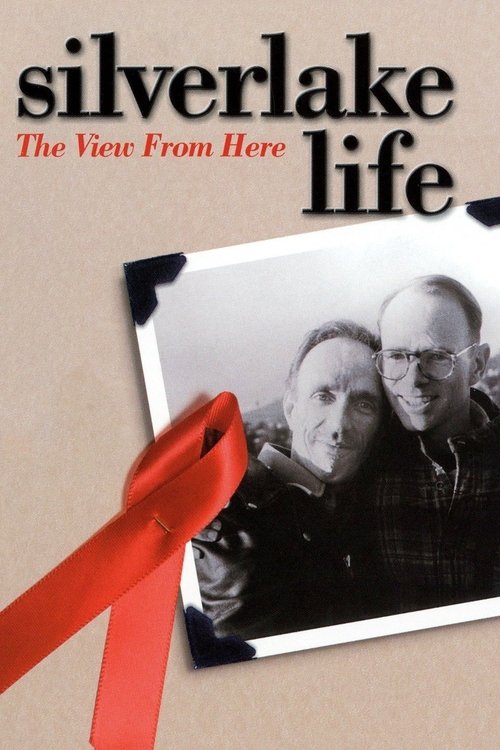
1993

2011

2003
No reviews yet. Be the first to share your thoughts on this movie!
Use the rating form above to leave a star rating and optional review.