
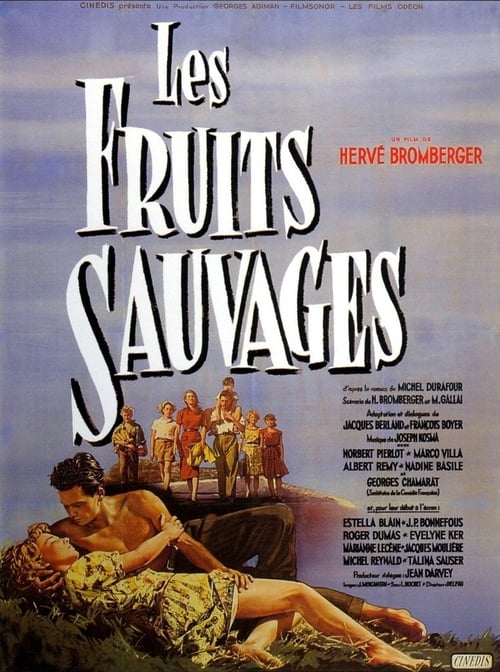
The Lambs
1996
No user ratings available yet
Representation score: 5.0 out of 10
Representation Score
Good
1954
Director
Hervé Bromberger
Runtime
94 minutes
Average Rating
No ratings yetNew Showbiz Analysis
Wild Fruit is a mid-century social realist drama that challenges traditional family structures. By focusing on Maria, the film shifts the narrative from a male-dominated perspective to one driven by her leadership and survival instincts. While the film does not include modern markers of diversity such as LGBTQ+ representation or racial diversity, it provides a critical look at the idealized Western family unit, presenting it as a source of trauma rather than stability. Ultimately, the work questions the social hierarchies of its time by emphasizing individual ability to act over systemic domestic stability.
Category Breakdown
The film does not include any LGBTQ+ characters or representations of non-straight relationships. The romantic relationship is limited to a traditional pairing between Michael and Anna.
Maria challenges traditional gender roles by serving as the family's main provider and emotional support. The story undermines patriarchal stereotypes by showing the father as a source of instability and violence.
Set in 1953 Lyon, the film reflects the homogeneous demographics of its time. The cast and narrative focus on a localized, ethnically consistent French family.
The story critiques the idealized Western concept of the 'sacred family' by portraying the domestic unit as a site of trauma. It prioritizes survival and subjective morality over legal or religious structures.
The film touches on the psychological impact of domestic trauma and alcoholism. However, these elements serve as plot catalysts rather than nuanced explorations of lived disability.
Present on Screen
Limited or Absent
Official Synopsis
Lyon, 1953. Maria Manzana is the oldest of a family with five children and the only one who has a job. Maria's mother is deceased and her father is regularly drunk and violent. One evening when he wants to beat his daughter Christine, Mary helps her sister and accidentally she kills her father. At Maria's advice the family would prefer to flee. Anna, the girlfriend of Mary's brother Michael, accompanies them. Michael doesn't want to leave her behind. A friendly trucker brings Mary and her company to the south. The group then walks on deserted roads to a village, that was abandoned more than 25 years ago due to lack of water.
1996

1957
1954
1970
1997
1959
1972
1940
No reviews yet. Be the first to share your thoughts on this movie!
Use the rating form above to leave a star rating and optional review.