El proceso de Cristo
1966
No user ratings available yet
Representation score: 3.1 out of 10
Representation Score
Limited
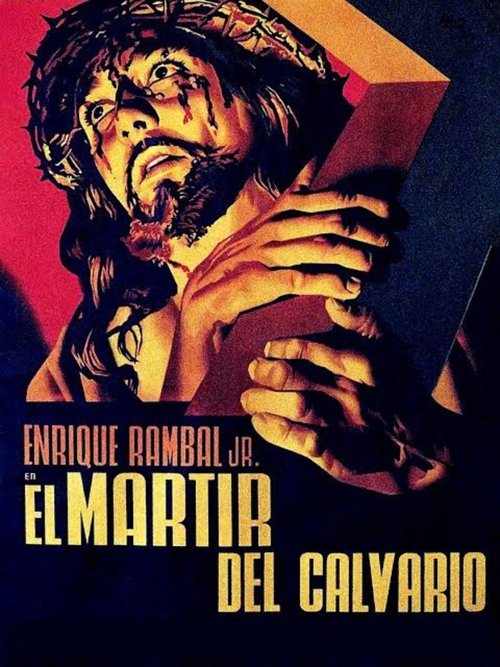
1952
Director
Miguel Morayta
Runtime
113 minutes
Average Rating
No ratings yetNew Showbiz Analysis
The Martyr of Calvary is a traditional historical drama that emphasizes theological adherence over social complexity. It reinforces established moral frameworks typical of mid-century religious epics, rather than challenging them. The film's narrative structure upholds institutional norms, reflecting the conventions of its time.
Category Breakdown
The film does not include any LGBTQ+ identities or same-sex relationships. It follows the assumption that everyone is straight or cisgender, which is typical for religious dramas from the 1950s.
Women appear in roles that emphasize devotion or witness, such as Mary Magdalene. However, they lack significant control over their own lives and remain confined by traditional gender roles of the mid-20th century.
The film's setting in the Levant does not explore nuanced racial or ethnic diversity. The casting likely reflects the aesthetics of the time rather than historical accuracy.
The story promotes traditional Christian morals and spiritual ideals. It serves to reinforce religious institutions rather than question them.
Characters with physical ailments are used mainly as plot devices for miracle sequences. These characters often lack independent ability to act, serving as passive recipients of divine intervention.
Present on Screen
Limited or Absent
Official Synopsis
The life of Jesus from the beginning of his ministry, his miracles, the Sermon on the Mount and his death on the cross.
1966
2003
1954

1953
1942

1965
1949
1979
No reviews yet. Be the first to share your thoughts on this movie!
Use the rating form above to leave a star rating and optional review.