
Polycarp
2015
No user ratings available yet
Representation score: 1.8 out of 10
Representation Score
Minimal
2013
NRDirector
Gabriel Sabloff
Runtime
88 minutes
Average Rating
No ratings yetNew Showbiz Analysis
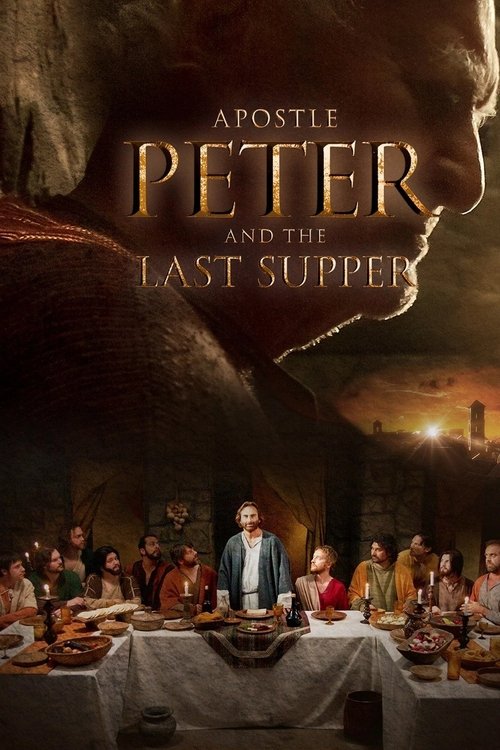
Apostle Peter and the Last Supper is a conservative historical drama aimed at reinforcing religious orthodoxy. The narrative structure prioritizes the spread of Christian doctrine and the preservation of traditional values over challenging social norms. The film's focus remains centered on male-led spiritual guidance and theological debates. This emphasis, coupled with a lack of diverse identity narratives, narrows the social scope. Ultimately, the work serves as a tool for faith-based storytelling. It adheres to established historical and religious frameworks without exploring a wide range of human experiences.
Category Breakdown
The film does not include any representation of LGBTQ+ identities. It follows a traditional Christian moral framework.
The story centers around male-dominated theological discussions between Saint Peter and his jailer. This reinforces traditional patriarchal structures typical of the genre.
The film likely depicts biblical figures in a conventional, homogeneous manner. It emphasizes religious doctrine over specific ethnic or cultural backgrounds.
The story serves as a means to convey religious instruction and Christian morality. It portrays Western religious traditions positively without critique.
There is no indication of how physical or neurodivergent disabilities are portrayed in this work.
Present on Screen
Limited or Absent
Official Synopsis
The film portrays Saint Peter reflecting on his time with Jesus and his fellow Apostles during his final imprisonment in Rome. In particular, Peter attempts to convert one of his jailers, Martinian, by relating the life, teachings, and sacrifice of Jesus.
2015
2003
1966

1953

2021

1979

1954

1961
No reviews yet. Be the first to share your thoughts on this movie!
Use the rating form above to leave a star rating and optional review.